Getting Started with ContentPod: Your First Interview Workflow
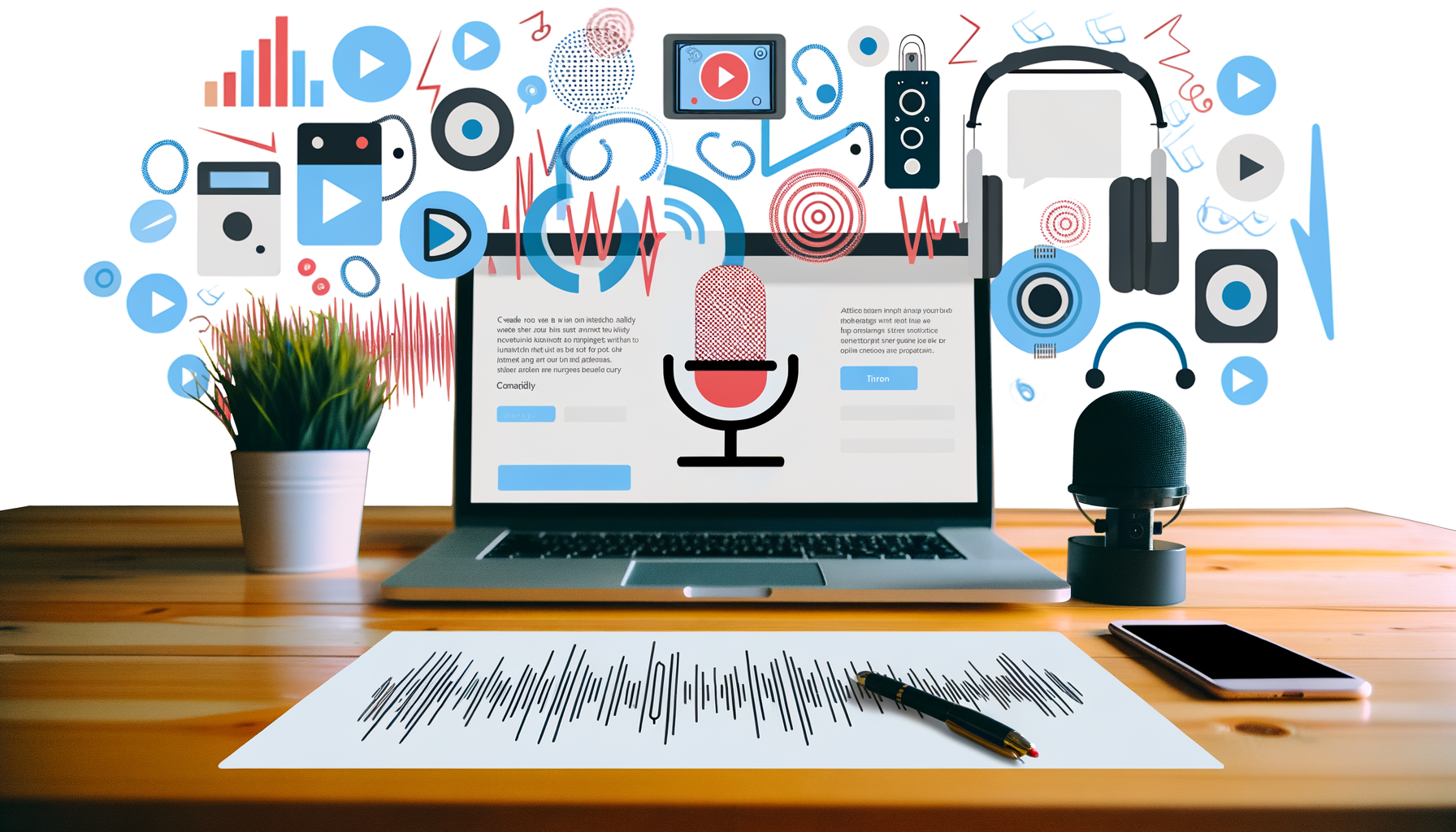
Use structured interviews to capture expert knowledge and convert recordings and transcripts into multi-channel content inside ContentPod. The guide explains how to plan focused interviews, import the recording and transcript into ContentPod, and create a repeatable workflow that produces articles, newsletters, and social posts.
Key takeaways
- A 30-minute interview can fuel a long-form article, a newsletter, and multiple social posts, making interviews an efficient source of original content.
- Interviews naturally produce expert-level material that supports Google’s E-E-A-T framework for search quality.
- Align interview questions with search intent by using keyword research tools such as Semrush or Ahrefs so answers map to headings and SEO-friendly snippets.
- Treat raw recordings and transcripts as reusable assets and document your interview outline in the same workspace as the transcript to reduce friction when drafting.
If you are a marketer, founder, or content strategist, you already know interviews are one of the fastest ways to generate original, high-quality content. The challenge is turning raw conversations into polished articles, social posts, and email copy without drowning in transcription, editing, and formatting. That is where getting started with contentpod your first intervi becomes a powerful step in your content operations. In this guide, you will learn how to set up your first interview workflow inside ContentPod, avoid common pitfalls, and turn every conversation into a repeatable content engine.
We will walk through planning your interview, capturing the conversation, importing it into ContentPod, and transforming it into multi-channel assets. Along the way, you will see practical examples, best practices, and links to proven content frameworks from authorities like Moz and HubSpot. By the end, getting started with contentpod your first intervi will no longer feel like a technical project; it will feel like a repeatable system you can run every week.
1. Why Interviews Belong at the Heart of Your ContentPod Workflow
Before you dive into getting started with contentpod your first intervi, it helps to understand why interviews are so effective as a content engine. Interviews compress months of research into a single conversation. Instead of staring at a blank page, you ask structured questions, capture authentic answers, and let tools like ContentPod help you turn them into finished assets. This approach aligns well with modern content marketing, where originality, expertise, and depth matter more than volume alone.
From an SEO perspective, interviews naturally generate expert-level content, which supports the E‑E‑A‑T framework (Experience, Expertise, Authoritativeness, Trustworthiness) that Google’s documentation emphasizes. When you are getting started with contentpod your first intervi, you are not just learning a tool; you are building a system to capture expertise from founders, customers, and subject-matter experts in a scalable way.
- Practical point 1: Use interviews to extract subject-matter expertise from busy leaders who do not have time to write. A 30-minute interview can fuel a long-form article, a newsletter, and multiple social posts.
- Practical point 2: Align your interview questions with search intent. Review keyword research from tools like Semrush’s Keyword Magic Tool to ensure your questions map to what your audience is actually searching for.
- Practical point 3: Build a content library. Every time you are getting started with contentpod your first intervi for a new topic, treat the raw recording and transcript as reusable assets you can revisit and repurpose later.
Once you see interviews as the backbone of your content strategy, it becomes obvious why getting started with contentpod your first intervi is such a high-leverage move. You are laying the foundation for a system that can scale with your brand.
2. Planning Your First Interview Inside ContentPod
The success of getting started with contentpod your first intervi is determined long before you hit record. Planning your interview properly ensures you get focused, usable material that can be transformed into content your audience actually wants. Start by defining a clear outcome: Are you trying to produce a thought-leadership article, a product use case, or a customer story? Your answer will shape the questions you ask and the way you structure your workflow in ContentPod.
Begin with a simple outline. Identify 3–5 core themes you want to explore, then draft 2–3 questions per theme. For example, if your goal is to create an SEO-focused blog post, you might align your questions with keyword clusters identified through resources like Ahrefs’ keyword research guide. This makes it easier to later map answers to headings, subtopics, and snippets that perform well in search.
As you are getting started with contentpod your first intervi, keep the following planning principles in mind:
- Outcome-first planning: Decide in advance whether the interview will support a pillar page, a case study, or a series of social posts. This helps you ask sharper, more actionable questions.
- Audience alignment: Make sure every question ties back to a real audience pain point. Reviewing personas or customer research from tools like HubSpot’s Make My Persona can help you refine your question list.
- Reusable structure: When getting started with contentpod your first intervi, design a question template you can reuse. This turns interviews into a repeatable process rather than one-off efforts.
Document your outline in the same workspace where you will later upload your transcript. That way, when you move from recording to drafting inside ContentPod, your structure is already in place. This simple step can dramatically reduce the friction between ideas and published content.
3. Capturing and Importing Your Interview for Maximum Quality
Once your plan is set, the next phase of getting started with contentpod your first intervi is capturing a high-quality recording and getting it into your workspace. Audio quality matters more than most people realize. Clean audio leads to more accurate transcripts, which in turn makes it easier to generate clean drafts and polished content. You do not need studio equipment, but you do need consistency: a quiet room, a decent microphone, and a stable internet connection if you are recording remotely.
Use a reliable recording platform such as Zoom, Riverside, or Loom. Make sure you record separate audio tracks if possible; this can help if you ever need to manually clarify sections. After the session, you will either upload the raw audio/video file or a transcript into ContentPod, depending on your workflow. Many teams use automatic transcription tools, but you can also rely on integrated or external services for this step.
When you are getting started with contentpod your first intervi, follow these import best practices:
- Consistent naming: Name your files with a clear convention, such as “2025-11-Product-Interview-GuestName”. This makes it easier to manage multiple interviews over time.
- Segmented notes: While recording, jot down timestamps for key moments or standout quotes. Later, inside ContentPod, you can quickly jump to these sections when generating content.
- Clean transcripts: If your transcript tool allows it, enable speaker labels and punctuation. Clean transcripts reduce editing time and improve the quality of AI-assisted drafting.
At this stage of getting started with contentpod your first intervi, your goal is not to edit; it is to capture everything faithfully. Think of the recording and transcript as raw material. The refinement will happen once you begin structuring and drafting inside your content workspace.
4. Structuring Your First Interview Content: From Raw Transcript to Drafts
Now that your interview is captured and imported, the real magic of getting started with contentpod your first intervi begins: turning raw conversation into structured, publishable content. This is where many teams get stuck, but a clear framework makes the process manageable and repeatable.
Start by skimming the transcript to identify anchor points: powerful stories, data points, contrarian opinions, and clear explanations. These become your building blocks. Inside your content workspace, map these blocks to a structure that follows SEO and storytelling best practices, such as the guidance you will find in Moz’s Beginner’s Guide to SEO. For example, you might create an outline with an introduction, 3–5 main sections, and a conclusion, then assign quotes or insights from the interview to each section.
When getting started with contentpod your first intervi, consider this simple workflow:
- Step 1 – Tag the transcript: Highlight and tag key excerpts with labels like “story”, “stat”, “framework”, or “quote”. This makes it easier to assemble different content formats later.
- Step 2 – Build a long-form draft: Use your original interview outline as headings and plug in the tagged excerpts where they fit best. Then, write connective tissue between them: explanations, transitions, and context.
- Step 3 – Spin off derivative assets: From the same interview, you can generate an email summary, a LinkedIn thread, or a short video script. Each time you are getting started with contentpod your first intervi for a new topic, you are effectively creating a mini content universe.
This structured approach ensures that no valuable insight gets lost. It also reinforces your SEO strategy, because you are mapping real expert commentary to topics and keywords your audience cares about. Over time, as you repeat getting started with contentpod your first intervi across different themes, you will build a deep library of structured, searchable interview content.
5. Best Practices for Getting the Most Out of Your First Interview
By this point, you understand the core mechanics of getting started with contentpod your first intervi. To truly unlock its value, you need a set of best practices that make each interview more efficient and more impactful than the last. Think of these as guardrails that keep your workflow focused and your output consistently high-quality.
One of the most important principles is to design your interview with repurposing in mind. When you know you will be turning the conversation into a blog post, a newsletter, and social content, you can deliberately ask questions that produce modular answers. This aligns with content repurposing strategies recommended by resources like Hootsuite’s guide to repurposing content. Another key principle is to maintain a consistent voice and style across assets, even though they all originate from spoken language.
Here are three best practices to apply whenever you are getting started with contentpod your first intervi:
- Best Practice 1: Lead with strong hooks. At the start of the interview, ask a question that invites a bold statement or surprising insight. This often becomes your headline, opening paragraph, or main social post hook.
- Best Practice 2: Standardize your templates. Create reusable templates inside your workflow for blog posts, case studies, and email recaps. Every time you are getting started with contentpod your first intervi on a new topic, you can plug in the latest transcript without reinventing the format.
- Best Practice 3: Watch for common pitfalls. Avoid leading questions that produce generic answers, over-editing until the expert’s voice disappears, or skipping fact-checking. Even when tools help accelerate drafting, you are still responsible for accuracy and clarity.
Link your interview workflow directly to your publishing calendar. For example, you might schedule one expert interview per week and commit to producing at least one long-form article plus three social posts from each. With this discipline, getting started with contentpod your first intervi becomes the cornerstone of a predictable, scalable content engine.
6. Common Mistakes and Challenges When Launching Your First Interview Workflow
Every new process comes with friction, and getting started with contentpod your first intervi is no exception. The good news is that most challenges are predictable and preventable. By understanding the most common mistakes, you can design your workflow to avoid them from day one.
One frequent issue is treating the interview as a casual chat rather than a strategic content session. Without a clear structure, you end up with meandering conversations and transcripts that are hard to shape into focused content. Another challenge is underestimating the importance of preparation—both for you and your guest. If your guest does not understand the audience or the goal, their answers may be too vague or off-topic. Resources like HubSpot’s guide on how to interview someone can help you refine your interviewing skills.
As you are getting started with contentpod your first intervi, watch out for these common pitfalls:
- Lack of clarity: Not defining the target audience or primary asset type leads to scattered content. Always clarify who you are speaking to and what you plan to create.
- Over-reliance on automation: While tools can accelerate drafting, they cannot replace your editorial judgment. You still need to verify facts, maintain brand voice, and ensure the final content reflects the expert accurately.
- No feedback loop: Skipping post-interview debriefs means you repeat the same mistakes. After each session, review what worked, what did not, and how you can improve the next time you are getting started with contentpod your first intervi.
Finally, do not forget about distribution. Even the best interview-derived content will underperform if it never reaches the right audience. Tie your workflow to a promotion plan that includes your website, email list, and social channels. Over time, as you refine your approach to getting started with contentpod your first intervi and beyond, you will build not just better content, but a more engaged audience and stronger brand authority.
Conclusion: Making the Most of getting started with contentpod your first intervi
When you zoom out, you can see that getting started with contentpod your first intervi is not just about learning a new tool; it is about installing a repeatable system for capturing expertise and turning it into assets that drive growth. By planning your interview with clear outcomes, capturing high-quality recordings, structuring your transcript strategically, and applying best practices, you transform a single conversation into an entire ecosystem of content.
As you repeat this process, each new interview becomes easier and more productive. You build templates, refine your questions, and sharpen your editorial judgment. Over time, getting started with contentpod your first intervi evolves into a scalable content engine that feeds your blog, newsletter, and social channels. If you are ready to operationalize this approach, explore how ContentPod can centralize your interviews, streamline drafting, and help you publish high-impact content consistently.
Frequently Asked Questions
What is getting started with contentpod your first intervi?
getting started with contentpod your first intervi refers to setting up your first structured interview workflow using ContentPod as the hub for planning, capturing, and transforming conversations into content. It covers everything from outlining questions and recording the session to importing transcripts and generating multi-channel assets.
How do I prepare for getting started with contentpod your first intervi so I get usable content?
To prepare for getting started with contentpod your first intervi, define a clear outcome, identify your target audience, and draft a focused question set aligned with your content goals. Share this outline with your guest in advance, choose a reliable recording setup, and plan how you will repurpose the conversation into blog posts, emails, and social content once it is inside your ContentPod workspace.
Can I scale my content strategy just by repeating getting started with contentpod your first intervi across topics?
Yes. By repeatedly applying the same workflow—planning, recording, importing, structuring, and publishing—you can scale your content strategy efficiently. Each time you are getting started with contentpod your first intervi on a new topic, you add fresh expert insights to your library, which can be repurposed into multiple formats and optimized for search, audience engagement, and conversion.
References & Further Reading
- The Beginner’s Guide to SEO - moz.com
- How to Interview Someone for a Story or Article - hubspot.com
- Keyword Research: The Beginner’s Guide - ahrefs.com
- How to Repurpose Content: 11 Creative Ways - hootsuite.com
Put this into practice
Share this post
You Might Also Like
Discover more content tailored to your interests
 Highly Relevant
Best AI Podcast Generator Like NotebookLM Picks
An ai podcast generator like notebooklm is a tool that turns source material or a script into spoken audio, often with AI voices, conversational structure, and editing support.
Read More Highly Relevant
A Playbook for Interview-Based Content Marketing Teams
Record focused conversations with people who have direct experience, transcribe them, and turn the transcript into publishable assets. A simple, repeatable process for sourcing, questioning, recording, and repurposing interviews is the fastest way for teams to get specific, usable content without asking experts to write full drafts.
Read More Highly Relevant
Newsletter Growth Marketing Teams: Practical Playbook
A newsletter growth marketing team is a repeatable operating model that combines audience targeting, signup conversion, editorial planning, and performance review into one shared workflow to attract qualified subscribers, retain attention, and produce measurable business results. For the model to work, teams must define a clear audience and a primary growth outcome before deploying tactics.
Read MoreReady to create amazing podcast content?
Choose a plan and start generating professional podcast content with AI
View Pricing Plans