Mastering Promotional Email Best Practices: From Subject Lines to CTAs
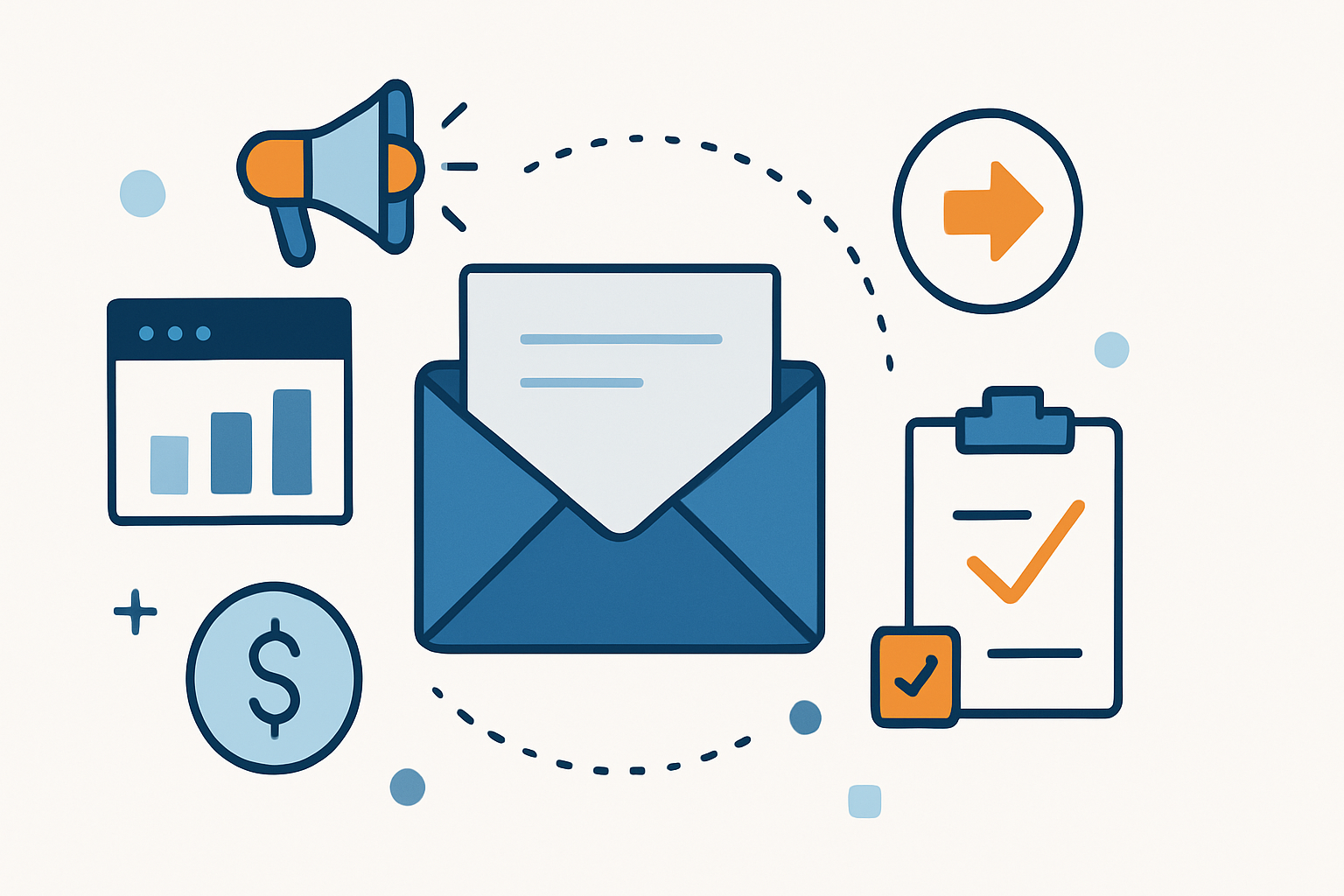
Effective promotional emails start with clear, personalized subject lines and concise, audience-targeted body content that uses visuals and skimmable formatting. Send at times chosen from past campaign data and time-zone segmentation, and use specific, urgency-based CTAs that you A/B test to improve conversions.
Key takeaways
- Personalization in subject lines, such as using the recipient's name or relevant details, increases engagement.
- Segment email lists by demographics or past behavior and tailor content to those segments; include images, GIFs, or video and keep copy concise for easier skimming.
- Analyze past campaigns to find the best send times, account for your audience's time zones, and balance frequency to avoid subscriber fatigue.
- Concrete results in the article: a retail brand increased conversions by 20% with personalized product recommendations, and a tech company raised open rates by 15% using a minimalist design and a single CTA.
- Avoid common mistakes by focusing each email on a single message or goal, ensuring mobile optimization, and always providing a clear unsubscribe option.
In the digital age, email remains one of the most potent tools for marketers. However, crafting effective promotional emails that not only reach the inbox but also engage and convert readers is a nuanced art. Understanding promotional email best practices is crucial to maximizing the effectiveness of your campaigns. This guide will delve into the essentials of promotional email best practices, from crafting compelling subject lines to designing irresistible CTAs. By the end of this article, you'll be equipped to enhance your email promotion strategy and drive higher conversions.
1. Crafting Compelling Subject Lines: The Gateway to Engagement
The subject line is the first touchpoint with your audience and plays a pivotal role in determining whether your email gets opened. Understanding promotional email best practices for subject lines can significantly boost your open rates.
- Be Clear and Concise: A subject line should communicate the email's purpose clearly. Avoid ambiguous phrases that might confuse the reader.
- Incorporate Personalization: Adding the recipient's name or other personal details can increase engagement. Personalization makes the email feel more relevant.
- Use Actionable Language: Encourage immediate action with words like "discover," "learn," or "unlock." These compel the reader to act.
For more insights on content strategies, explore our Zero to Hero: Building a Content Marketing Strategy from Scratch.
2. Designing Engaging Content: Keeping Them Hooked
Once the subject line has done its job, the next challenge is to maintain interest through engaging content. Promotional email best practices emphasize the importance of relevant, concise, and value-driven content.
- Know Your Audience: Tailor your content to the preferences and needs of your audience. Segment your email lists based on demographics or past behavior for targeted messaging.
- Utilize Visuals: Images, GIFs, and videos can increase engagement. They break up text and make the email more visually appealing.
- Keep It Concise: Respect your reader's time by getting to the point quickly. Use bullet points and subheadings for easy skimming.
For further reading on creating impactful content, check out Mastering How-To Content SEO: Strategies for 2025.
3. Timing and Frequency: When to Hit Send
Timing can make or break your email campaign. Understanding the best times to send your emails is a vital component of promotional email best practices.
- Analyze Past Campaigns: Use previous data to determine when your audience is most active. Experiment with different times and days to find what works best.
- Consider Time Zones: If your audience spans multiple time zones, segment your list accordingly to ensure emails arrive at optimal times.
- Balance Frequency: While staying on top of mind is important, avoid overwhelming your subscribers. Find a balance that maintains interest without causing fatigue.
Learn more about leveraging data and analytics in our interview AI and the Future of Content Marketing: A Dynamic Discussion.
4. Examples of Successful Promotional Emails
Examining successful promotional email examples can provide valuable insights into what works. Here are a few standout cases:
- Example 1: A retail brand increased conversions by 20% by using personalized product recommendations tailored to past purchase behavior.
- Example 2: A tech company saw a 15% rise in open rates by adopting a minimalist design approach, focusing on a single, compelling CTA.
For more examples and strategies, consider reading Crafting the Perfect Welcome Email Series: A 7-Email Framework.
5. Call to Action (CTA): The Conversion Catalyst
A strong CTA is crucial in converting interest into action. Here are some promotional email best practices for crafting effective CTAs:
- Be Specific: Instead of generic "click here," use specific actions like "Download your free eBook" or "Start your free trial today."
- Use Urgency: Phrases like "limited time offer" or "only a few spots left" can create a sense of urgency that compels action.
- Test and Optimize: A/B testing different CTAs can help determine what resonates best with your audience.
For additional strategies on crafting effective CTAs, you might find ContentPod resources invaluable.
6. Avoiding Common Mistakes: Pitfalls and Solutions
Even seasoned marketers can fall into traps when it comes to promotional emails. Here, we outline common mistakes and how to avoid them:
- Overloading with Information: Keep emails focused on a single message or goal to prevent overwhelming the reader.
- Ignoring Mobile Optimization: Ensure your emails are mobile-friendly, as a significant portion of users access emails on their phones.
- Neglecting the Unsubscribe Option: Always provide an easy way for recipients to opt-out, as this is not only a best practice but a legal requirement in many regions.
For more comprehensive strategies, refer to external resources like SEMrush's guide on email marketing.
Conclusion: Making the Most of Promotional Email Best Practices
By mastering promotional email best practices, you can significantly enhance your email marketing efforts. From crafting compelling subject lines to designing effective CTAs, each element plays a critical role in the success of your campaigns. Remember to continuously test and optimize your strategies for the best results. For further insights and resources, consider exploring ContentPod, a hub for all your content strategy needs.
Frequently Asked Questions
What is promotional email best practices?
Promotional email best practices are guidelines and strategies designed to optimize the effectiveness of email marketing campaigns. These practices include crafting compelling subject lines, creating engaging content, timing emails appropriately, and designing strong calls to action.
How can I improve my email conversion rates?
Improving email conversion rates involves several strategies, such as personalizing content, segmenting your audience, and using clear and compelling CTAs. Regularly testing different elements of your emails can also provide insights into what works best for your audience.
What are common mistakes in promotional emails?
Common mistakes include overwhelming recipients with too much information, neglecting mobile optimization, and failing to provide an easy way to unsubscribe. Ensuring your emails are concise, mobile-friendly, and compliant with privacy laws can help avoid these pitfalls.
References & Further Reading
- Email Marketing Best Practices - hubspot.com
- Email Marketing Best Practices Guide - semrush.com
- Beginner's Guide to SEO - moz.com
- ContentPod - contentpod.co
Put this into practice
Share this post
You Might Also Like
Discover more content tailored to your interests
 Highly Relevant
Newsletter Growth Marketing Teams: Practical Playbook
A newsletter growth marketing team is a repeatable operating model that combines audience targeting, signup conversion, editorial planning, and performance review into one shared workflow to attract qualified subscribers, retain attention, and produce measurable business results. For the model to work, teams must define a clear audience and a primary growth outcome before deploying tactics.
Read More Highly Relevant
Explained: Google CEO Sundar Pichai on AI Shake-Up
Sundar Pichai announced that Jeff Dean is leaving after 27 years and that Demis Hassabis will take on new responsibilities, and he framed the change as a managed transition meant to reassure employees and identify who will lead Google’s AI efforts. The message functions as a signal about how Google plans to organize AI leadership rather than a routine personnel note.
Read More
Welcome Email Examples and How to Write Your Own
Welcome email examples are sample first messages you send after someone subscribes, signs up, buys, or starts a trial, and they show the structure, tone, and call to action that help new contacts take the next step.
Read MoreReady to create amazing podcast content?
Choose a plan and start generating professional podcast content with AI
View Pricing Plans