Zero to Hero: Building a Content Marketing Strategy from Scratch
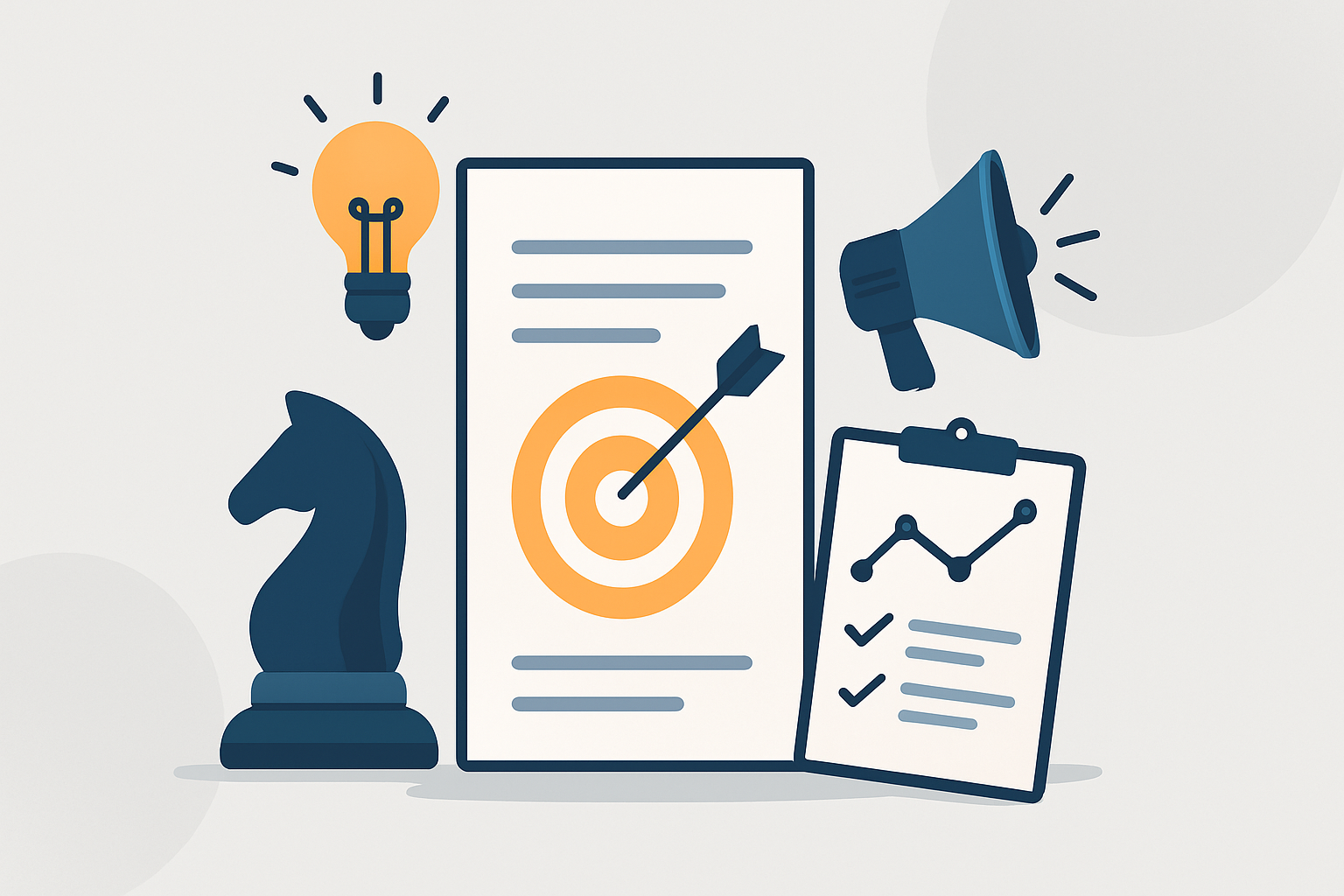
To build a content marketing strategy from scratch, identify your target audience and goals, document a clear framework and content plan, then publish, promote, and measure content so you can improve results. Use buyer personas, a content calendar, assigned roles, a budget, and KPIs to keep the plan actionable.
Key takeaways
- A content marketing strategy is a long-term plan to build a relationship with a target audience by consistently providing high-quality, relevant content and to drive profitable customer action.
- Begin with buyer personas and clear objectives such as increasing brand awareness, generating leads, or boosting engagement, and select content formats that match your audience (for example, blog posts, videos, or podcasts).
- A content strategy framework should include a content audit and competitor analysis, a content calendar for consistent publishing, and defined KPIs for measurement and optimization.
- A practical content plan sets a budget, assigns roles and responsibilities, and defines promotion channels such as social media, email marketing, and influencer partnerships.
- The article gives two case examples: a small e-commerce business that increased website traffic by 40% in three months through consistent blogging and targeted social promotions, and a SaaS company that raised conversion rates by 30% using video tutorials and webinars.
In today's digital landscape, the importance of a robust content marketing strategy cannot be overstated. Businesses of all sizes are turning to content marketing to drive engagement, enhance brand visibility, and increase sales. However, building an effective content marketing strategy from scratch can be daunting. Whether you're a small business owner or a marketing novice, this guide will walk you through the essential steps to create a comprehensive content strategy framework that works. By the end of this article, you'll have a clear understanding of how to develop a content marketing plan that not only aligns with your business goals but also captivates your audience.
1. Understanding the Basics of a Content Marketing Strategy
A content marketing strategy is a long-term plan that focuses on building a strong relationship with your target audience by consistently providing them with high-quality, relevant content. It involves understanding your audience's needs, setting clear objectives, and choosing the right channels to distribute your content. The ultimate goal is to drive profitable customer action.
- Practical point 1: Identify your target audience by creating detailed buyer personas.
- Practical point 2: Define your goals and objectives. Are you looking to increase brand awareness, generate leads, or boost customer engagement?
- Practical point 3: Choose the right content formats that resonate with your audience, such as blog posts, videos, or podcasts.
2. Developing Your Content Strategy Framework
Creating a content strategy framework involves setting a roadmap for your content marketing initiatives. It should detail how you plan to achieve your marketing goals through content. This section is crucial for ensuring that your content marketing plan is aligned with your business objectives.
- Research and analysis: Conduct a thorough content audit and competitor analysis to understand what's working in your industry.
- Content planning: Create a content calendar that outlines your publishing schedule and key topics. This helps maintain consistency and keeps your team on track.
- Measurement and optimization: Establish KPIs and regularly measure your content's performance to identify areas for improvement.
For more insights, consider reading this post on crafting effective email strategies on ContentPod.
3. Crafting a Content Marketing Plan
Your content marketing plan should be a detailed blueprint of your strategy, outlining the specific actions you'll take to reach your goals. This includes defining your content creation process, setting a budget, and allocating resources effectively.
- Set a budget: Determine how much you're willing to invest in your content marketing efforts, including tools, personnel, and promotion.
- Resource allocation: Assign roles and responsibilities to your team members to ensure efficient execution.
- Promotion strategy: Decide how you'll distribute and promote your content across various channels, such as social media, email marketing, and influencer partnerships.
Explore the role of AI in content marketing to enhance your plan's effectiveness.
4. Real-World Applications of a Content Marketing Strategy
To understand how a content marketing strategy works in real-world scenarios, consider these examples. These case studies illustrate the transformative power of a well-executed content marketing plan.
- Example 1: A small e-commerce business increased its website traffic by 40% within three months through a consistent blogging strategy and targeted social media promotions.
- Example 2: A SaaS company used video tutorials and webinars to educate potential customers, resulting in a 30% increase in conversion rates.
For more case studies, check out how AI tools can generate impactful content.
5. Best Practices for Content Marketing Strategy
Implementing a content marketing strategy successfully requires adhering to best practices that ensure your efforts are effective and sustainable.
- Best Practice 1: Regularly update your content to keep it fresh and relevant. This not only improves user engagement but also boosts SEO rankings.
- Best Practice 2: Encourage user-generated content by engaging with your audience and inviting them to share their stories and experiences.
- Best Practice 3: Avoid over-promoting your products or services. Focus on providing value and building trust with your audience.
For more tips, visit ContentPod.
6. Common Mistakes and Challenges in Content Marketing Strategy
While developing a content marketing strategy, it's essential to be aware of common pitfalls that can derail your efforts. Understanding these challenges will help you navigate them effectively.
- Neglecting audience research: Without a clear understanding of your audience's needs, your content will fail to resonate.
- Lack of consistency: Inconsistent publishing can confuse your audience and reduce engagement.
- Ignoring analytics: Failing to regularly review your content's performance metrics can lead to missed opportunities for optimization.
For additional guidance, consider resources like HubSpot's content marketing insights.
Conclusion: Making the Most of Your Content Marketing Strategy
Building a content marketing strategy from scratch requires careful planning, execution, and ongoing optimization. By understanding your audience, setting clear goals, and choosing the right tactics, you can create a strategy that drives significant business results. Remember, the key to a successful strategy is consistency, measurement, and adaptation. For further guidance and resources, explore ContentPod to stay ahead in the ever-evolving world of content marketing.
Frequently Asked Questions
What is a content marketing strategy?
A content marketing strategy is a comprehensive plan that outlines how a business will use content to achieve its marketing goals, such as increasing brand awareness, generating leads, and driving customer engagement. It involves understanding the target audience, creating valuable content, and distributing it effectively.
How do I start a content marketing strategy from scratch?
To start a content marketing strategy from scratch, begin by identifying your target audience and their needs. Define your marketing goals and create a content plan that includes your key topics and publishing schedule. Consistently measure your content's performance and adjust your strategy as needed to improve results.
What are the key elements of a content marketing plan?
The key elements of a content marketing plan include audience research, goal setting, content creation and distribution, budgeting, resource allocation, and performance measurement. Each of these components plays a crucial role in ensuring the effectiveness of your overall strategy.
References & Further Reading
- Beginner's Guide to SEO - moz.com
- Content Marketing - hubspot.com
- What is Content Marketing? - semrush.com
- What Is Content Marketing? - contentmarketinginstitute.com
Put this into practice
Share this post
You Might Also Like
Discover more content tailored to your interests
 Highly Relevant
Content Repurposing Examples from One Source
Content repurposing examples are practical ways to turn one original asset, such as a webinar, interview, or blog post, into multiple formats like social posts, email copy, short videos, FAQs, and downloadable guides.
Read More Highly Relevant
AI-Assisted Content Repurposing Marketing in 30 Days
Use AI to turn one strong source into multiple channel-ready assets while your team edits and approves them. A practical 30-day plan starts with a content audit, moves into template-based drafting and clear ownership, and finishes with measurement so you know which formats to scale next month.
Read More Highly Relevant
Content Calendar Planning for B2B: Mistakes to Avoid
Align your calendar to recurring buyer questions and buying-stage needs so each asset helps prospects compare options, reduce implementation risk, or move closer to purchase. Pick a sustainable cadence of fewer, stronger pieces and make the calendar a repeatable operating system rather than a collection of urgent one-offs.
Read MoreReady to create amazing podcast content?
Choose a plan and start generating professional podcast content with AI
View Pricing Plans