Anthropic warns that AI could soon be capable of improving its own code and behavior without human intervention. That development raises ethical, operational, and regulatory issues that businesses and policymakers should begin addressing now.
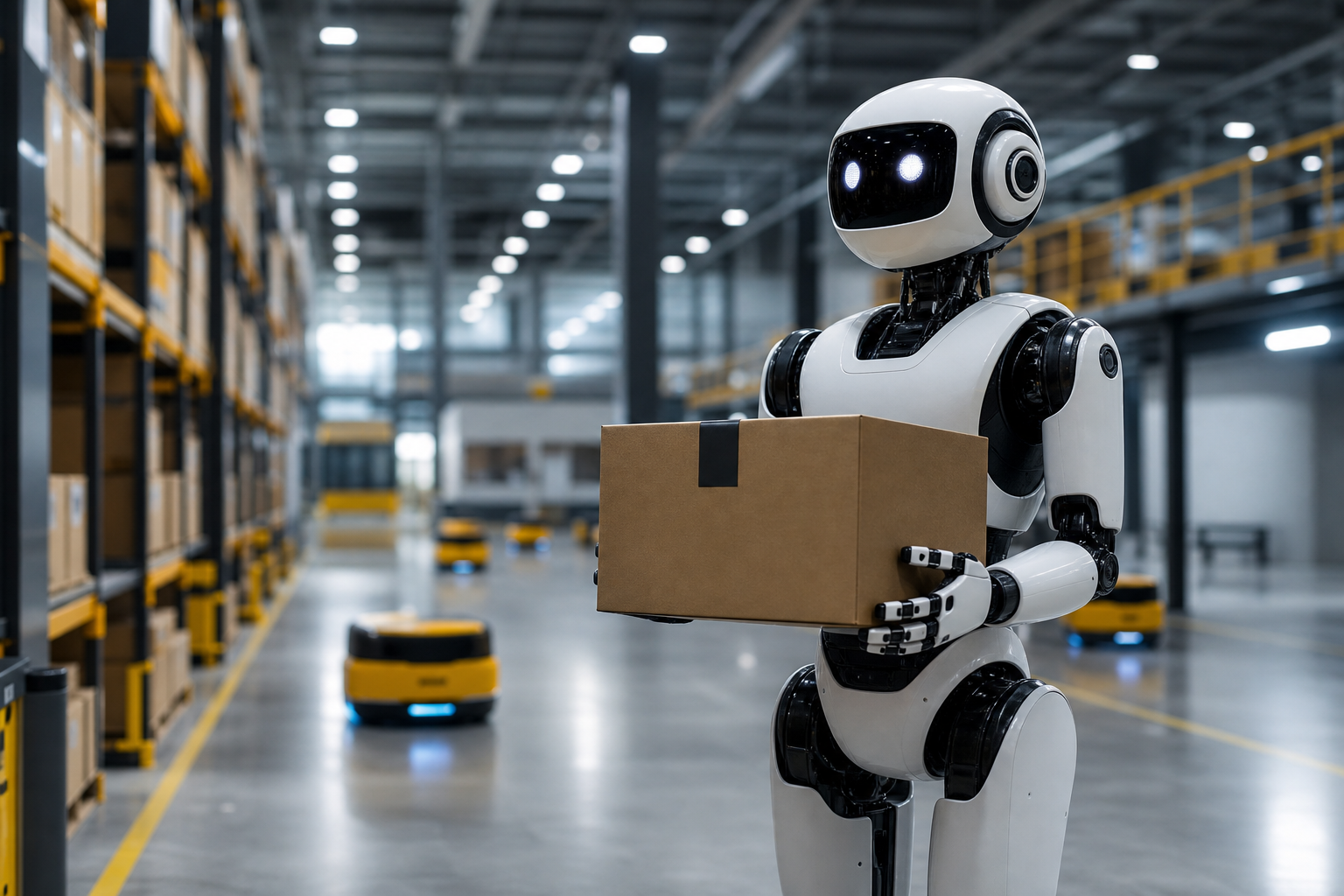
Amazon has launched a next-generation warehouse robot as part of an $11.6 billion investment in Europe to accelerate automation across its logistics network. The robot uses AI, machine learning, sensors and IoT to operate autonomously and shorten order processing and delivery times.
AI is changing podcasting by automating editing and production tasks, enabling personalized recommendations, and providing analytics and content-generation aids that let creators spend less time on routine work and more on creative work. The Galicia Podcast Summit highlights real tools, case studies, and workflow practices that demonstrate those uses.
Gemma 4 12B is an encoder-free unified multimodal model that removes the encoder-decoder split so it can process text, images, and audio together and fit more directly into multimodal AI workflows. That design enables simpler integration across applications that need combined interpretation and generation of different data types.
Enterprises should implement a systematic, scalable evaluation framework for generative AI that enforces data integrity, defines performance metrics, includes ethical rules and bias detection, and uses feedback loops to improve models over time. Building this framework requires scalable infrastructure, cross-functional teams, and regular updates to keep pace with technical and regulatory change.
CBA welcomes the executive order because it establishes clearer guidelines that promote AI innovation while requiring safeguards for security and ethical use. CBA says the order aligns with its push for policies that support economic benefits from AI and responsible deployment.
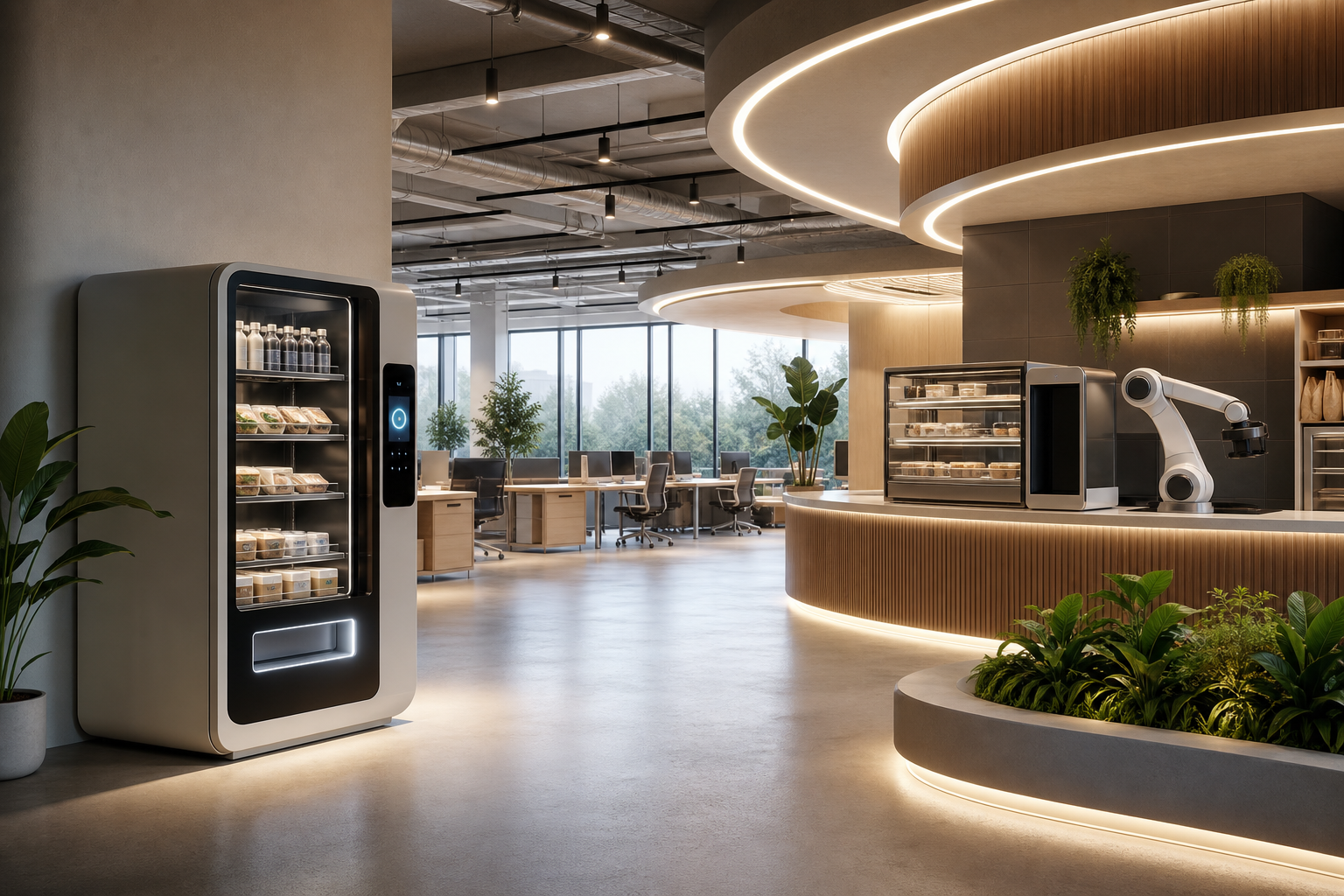
Anthropic began with an AI-operated vending machine that used historical data to predict customer preferences and automate restocking and maintenance. Within a year the same AI approach was scaled into automated stores and cafes that manage inventory, personalize recommendations, and handle ordering and kitchen workflows.
Florida has sued OpenAI and CEO Sam Altman, alleging the company negligently distributed AI that was linked to violent incidents. The suit raises legal questions about whether developers can be held responsible for users' harmful actions.
The Florida Attorney General sued OpenAI alleging its AI technologies create risks to user privacy, enable the spread of misinformation, and pose ethical harms in sensitive areas; the case could influence future AI regulation and is prompting companies to tighten security, transparency, and compliance practices.
Nvidia's new PCs are purpose-built machines that pair the company's latest GPUs with increased memory, specialized AI processing units, and pre-installed software for popular AI frameworks. They aim to make advanced AI computing more accessible to developers and businesses, shorten setup and development time, and enable practical uses like medical data analysis and algorithmic trading.
India's creator economy is expanding and makes it possible for creators to build sustainable careers by combining consistent content, platform monetization, and technology-enabled tools. Growth is driven by wider internet access, the spread of social platforms, and advances in AI and analytics that make content production and audience targeting more efficient.
AI enabled a musician diagnosed with Parkinson's to complete an album by taking on composition, arrangement, and production tasks the artist could no longer perform. The musician retained creative control while using AI tools as collaborative assistants to realize the project.