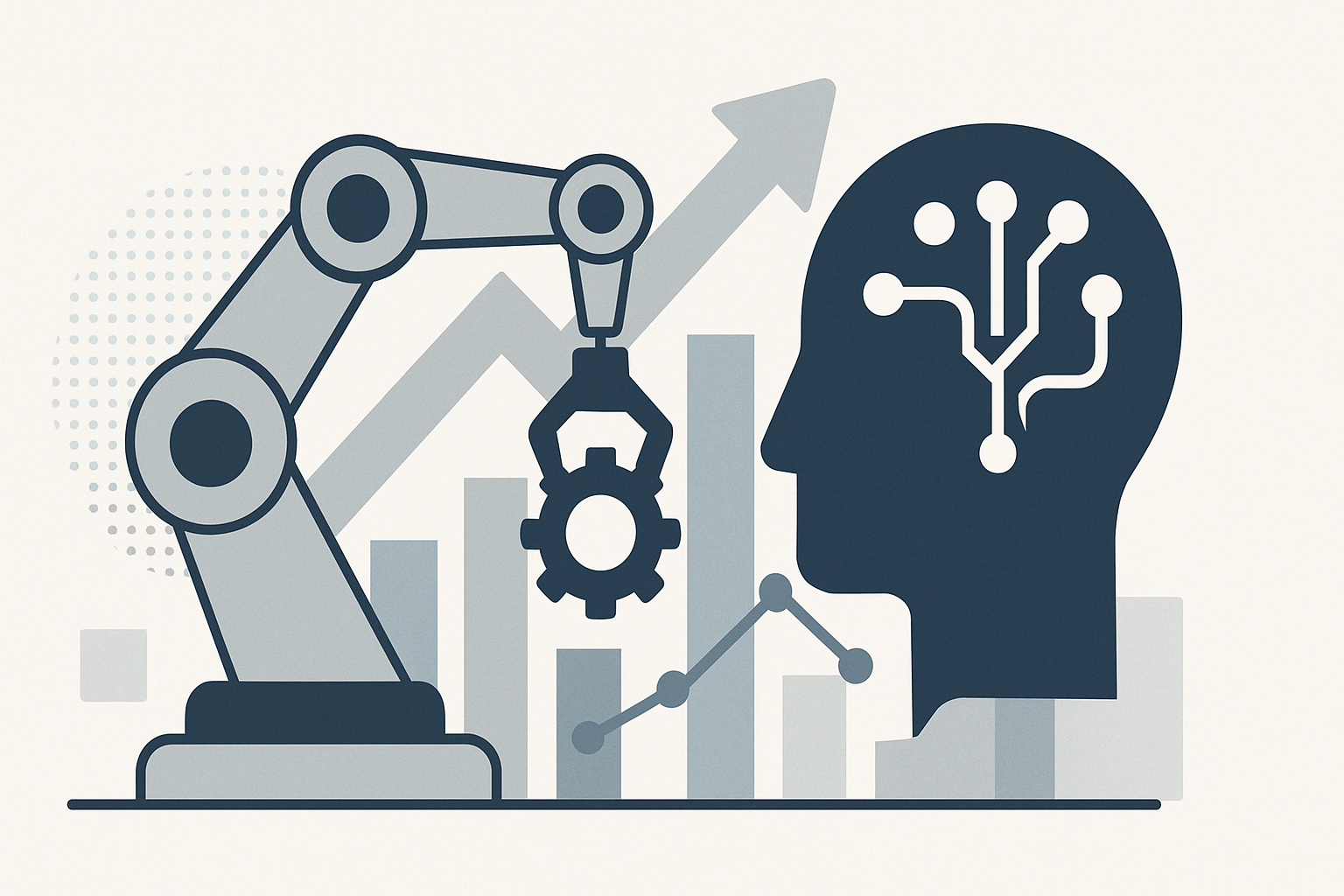
Automation helps organizations anticipate disruptions by analyzing real-time and large-scale data to detect trends and anomalies, predicting equipment failures through predictive maintenance, simulating scenarios, and providing instant recommendations so operations can adjust quickly. Those capabilities let teams identify likely problems and act before small issues become major interruptions.
CreatorIQ and Sprinklr aim to consolidate creator data from multiple platforms into unified analytics so brands can compare cross-channel performance and make better campaign decisions. Their platforms focus on improving reporting accuracy and helping teams measure ROI for creator-led marketing.
Coach partnered with creators who share Gen Z values and encouraged authentic, creator-made posts; that approach raised the brand's visibility and social engagement with Gen Z. The strategy relied on influencer-led content rather than traditional ads to connect with younger users.
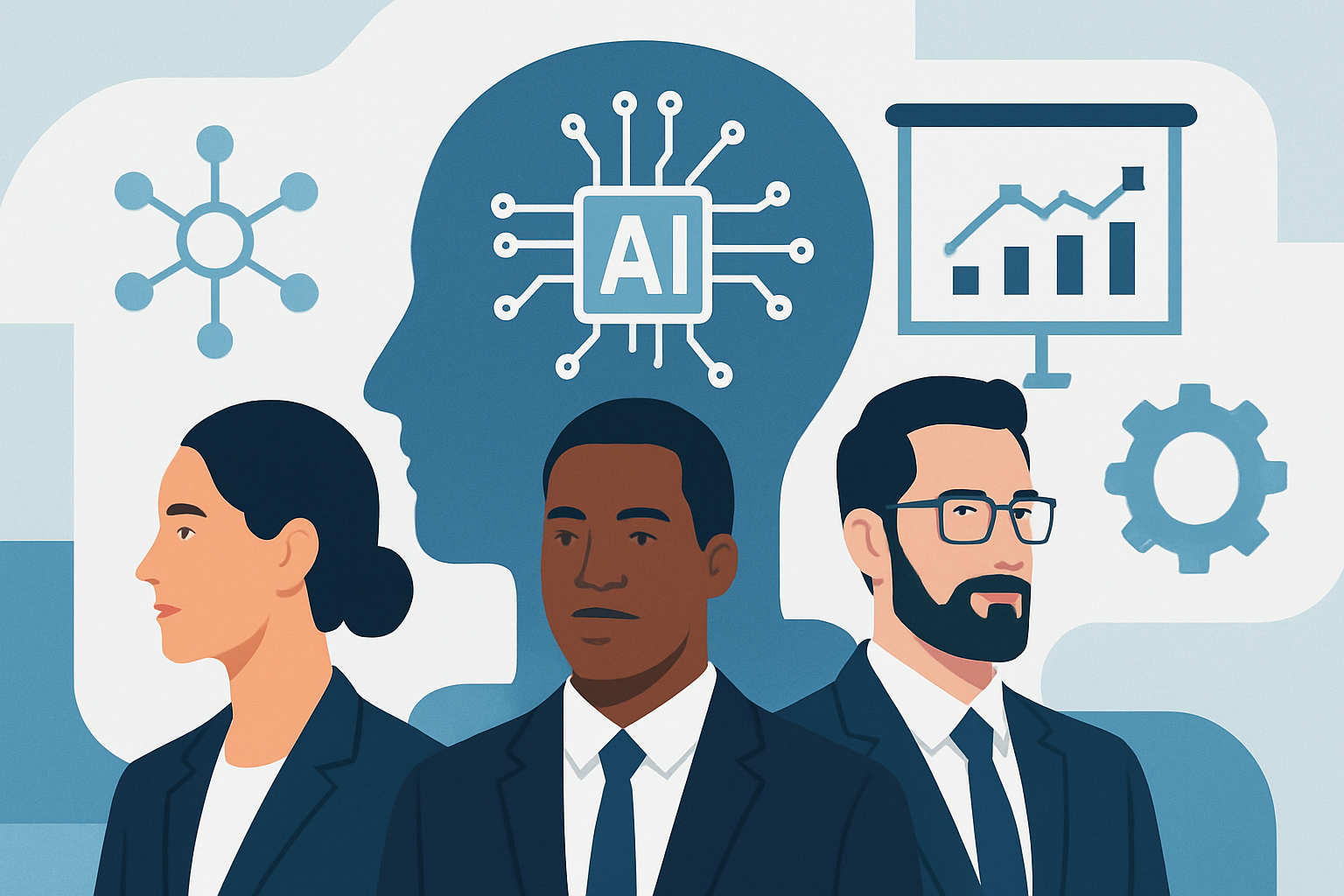
Top AI experts help organizations adopt AI by combining public roles, like keynote speaking, with hands-on consulting that turns AI research into business-ready strategies and implementations. They connect companies to practical applications, influence industry thinking, and help translate trends into concrete projects.
SentinelOne's partnerships with Google Cloud and LevelBlue improve its AI-driven security capabilities and increase its customer access; those effects may support higher market valuation by strengthening product performance and revenue potential.
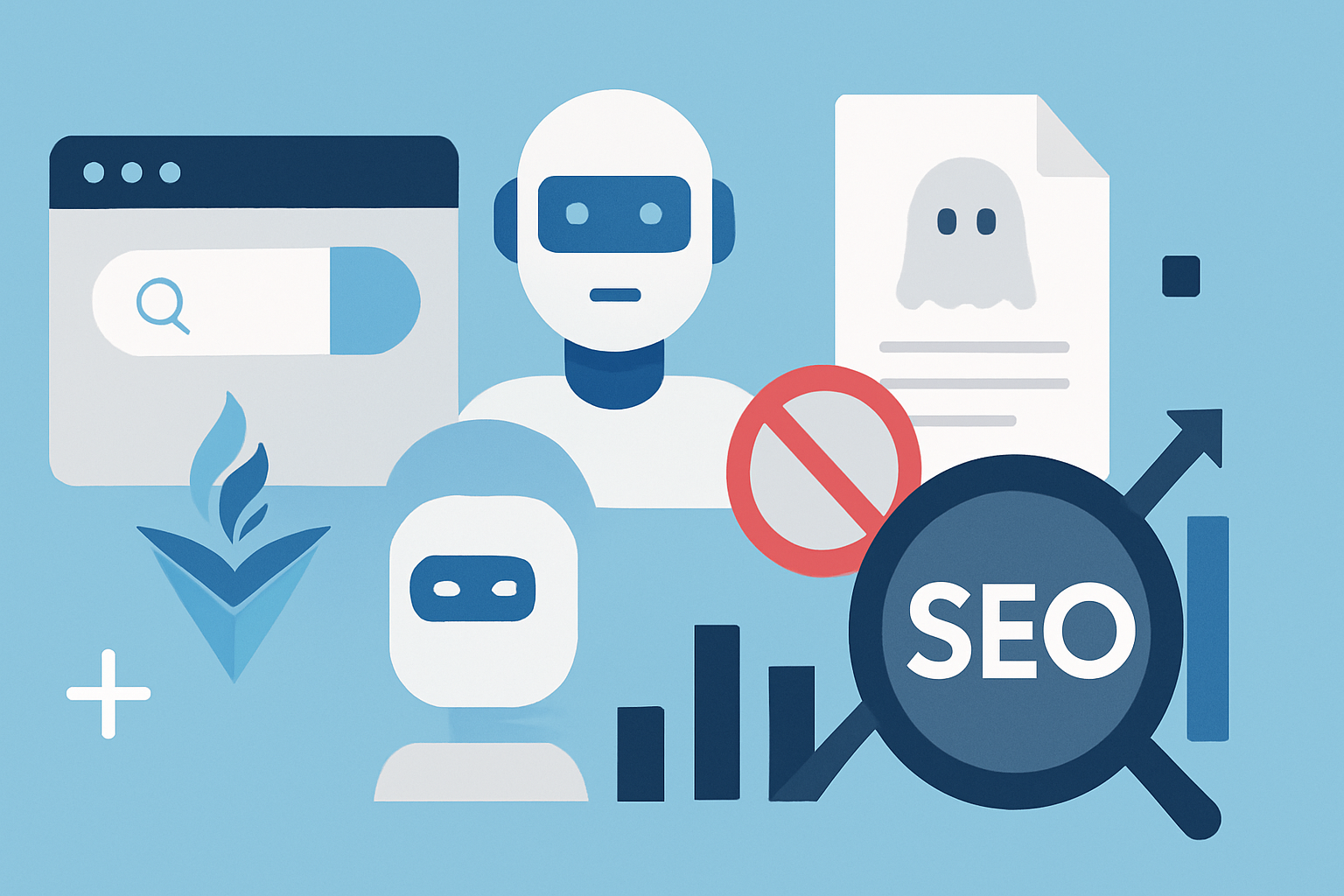
The DesignRush SEO Roundup for March highlights three developments that should shape short-term SEO work: Google’s March spam update, the rising use of AI to create titles, and the problem of ghost citations. The piece frames those items as priorities and offers practical guidance to adjust content, links, titles, and monitoring practices.
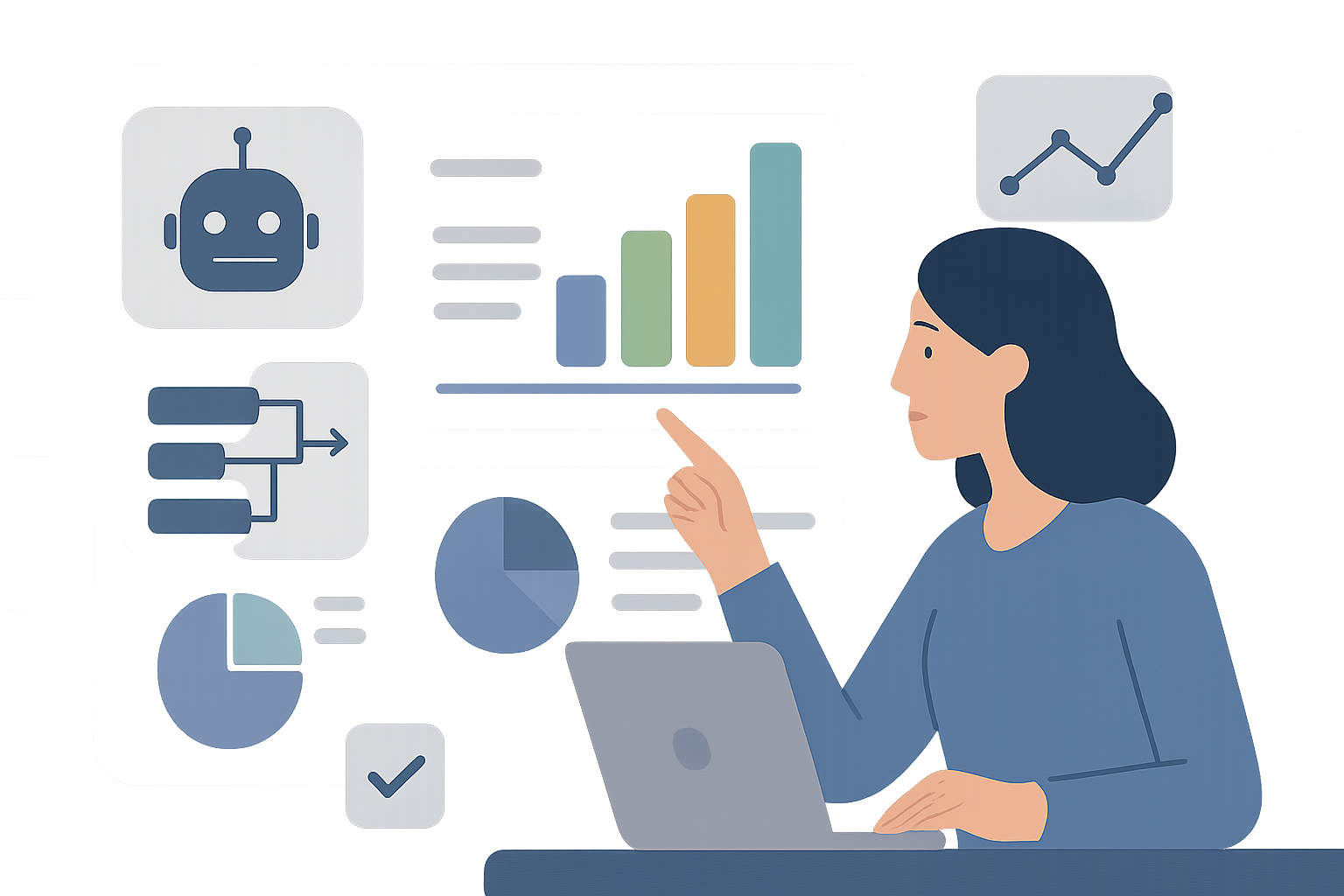
Generative AI project-tracking systems make project management more efficient by forecasting timelines, optimizing resource use, detecting bottlenecks, and delivering real-time, customizable dashboards that speed decision-making.
AI development is moving faster than existing laws, leaving many regulations unable to address modern AI use and creating gaps that affect privacy, security, and ethical standards. Waiting for regulators to catch up exposes organizations to legal, compliance, and reputational risk.
SLB and NVIDIA are partnering to industrialize AI in the energy sector by combining NVIDIA's AI hardware and software with SLB's industry expertise to deploy scalable AI that targets improved efficiency, safety, and sustainability. The collaboration is focused on making AI tools practical for everyday energy operations rather than keeping them in pilot projects.
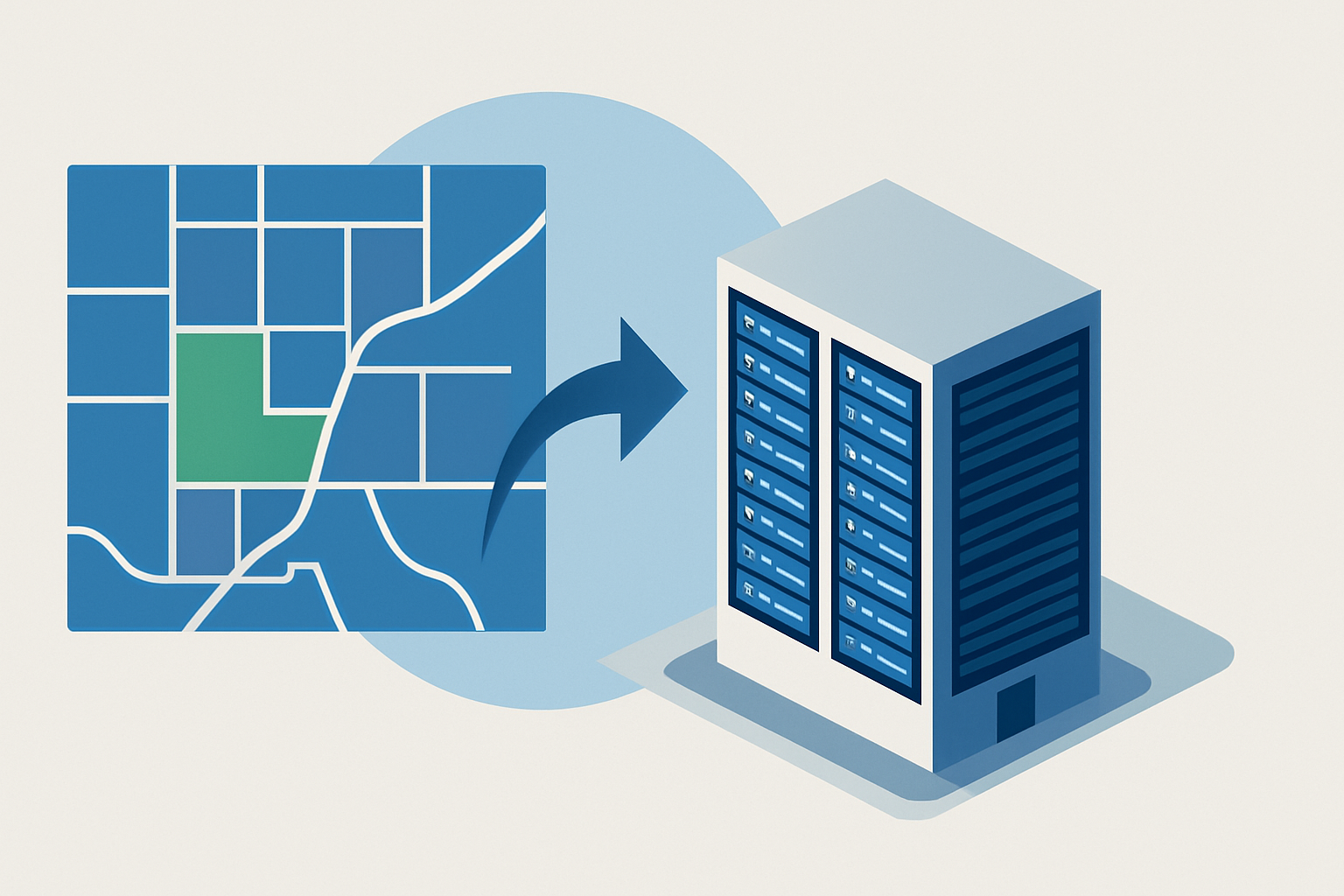
The county updated its land use code to respond to rising data center inquiries, adding zoning provisions for power, cooling, infrastructure capacity, and sustainable energy. The changes aim to enable data center development while limiting environmental effects and addressing community concerns.
OpenAI doubled its workforce to expand research and development capacity and to meet rapidly rising demand for AI talent. That expansion is meant to accelerate AI development and wider adoption while creating stronger competition for specialists and new challenges in onboarding and coordination.
TE Connectivity's survey finds that companies now treat ROI as the primary filter for AI projects, favoring initiatives that produce direct cost savings or revenue. Firms are shifting from exploratory pilots to AI work aimed at measurable business outcomes.