Yahoo Scout shows that AI-driven search can support publishers by using machine learning to surface more relevant results, which increases targeted traffic and reader engagement. The tool adapts to user interactions and supplies analytics that help publishers make data-driven content choices.
Combining generative AI with OpenTelemetry produces real-time, predictive observability insights that improve system monitoring, reduce downtime, and inform operational and product decisions. The approach works by standardizing telemetry collection (metrics, logs, traces) and applying AI to detect patterns, anomalies, and likely failures.
Tech giants use private credit to fund large AI projects quickly and avoid diluting existing shares; private credit typically offers faster access and more flexible terms than public financing but increases borrowing and financial risk. Read this article to learn when private credit makes sense, practical best practices for using it, and common mistakes to avoid when financing AI initiatives.
AI adoption in life sciences R&D works when an organization combines a clear, measurable AI strategy with practical pilots and workforce training so teams can apply AI tools to real data and show value. That approach lets organizations improve prediction accuracy and shorten R&D timelines while managing risks like data privacy and skill gaps.
Yes. The article says ServiceNow can outperform general AI tools in specific enterprise tasks because it focuses on operational workflows and practical business applications rather than on general-purpose AI models. That practical focus lets organizations use the platform where embedded automation and business workflows matter most.
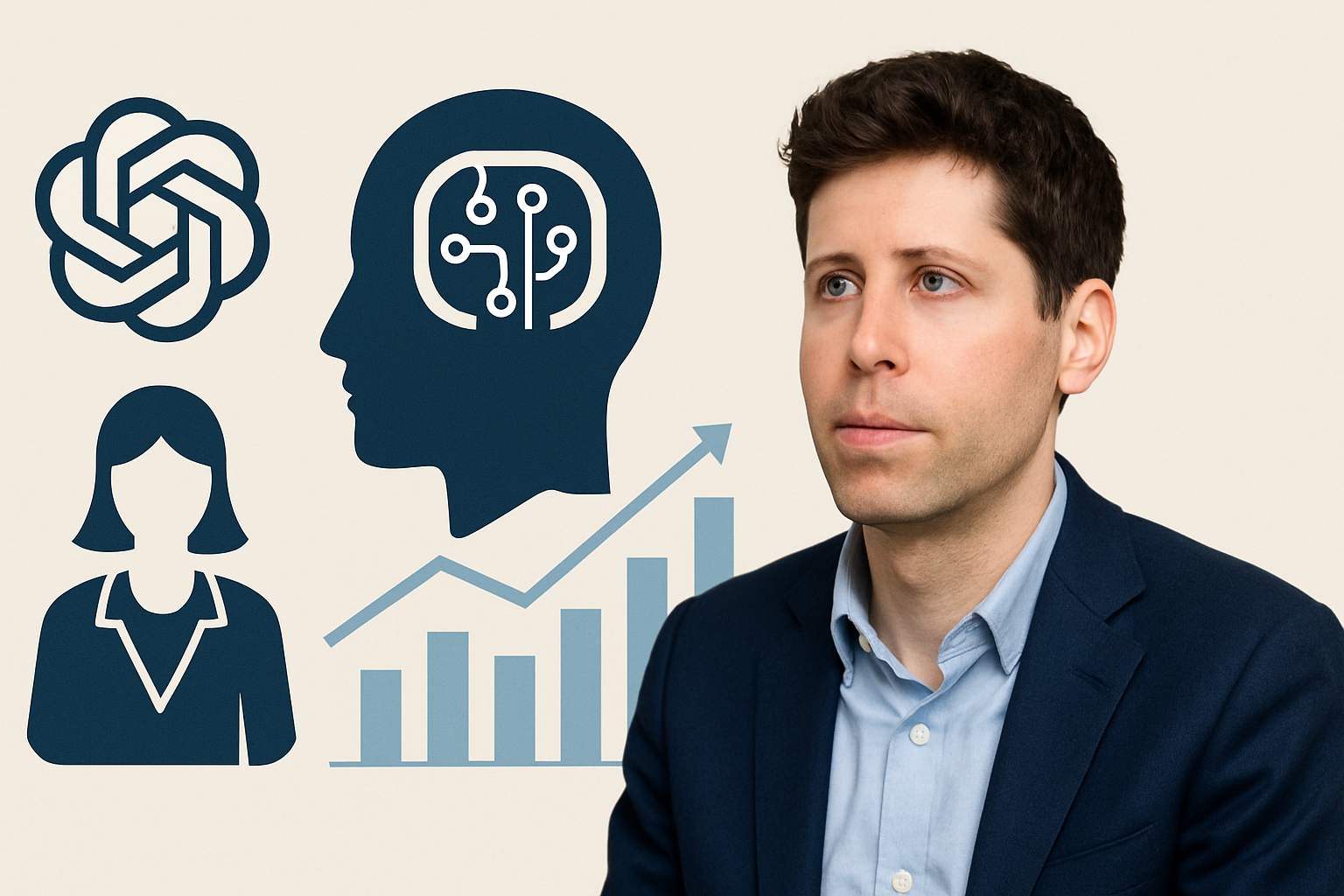
Vibe coding combines human intuition with AI algorithms to measure how exposed U.S. jobs and sectors are to automation. The OpenAI cofounder who applied this method found uneven exposure across the economy, with manufacturing and logistics more susceptible and creative fields less so.
The era of data center development is a shift in how organizations store, manage and access data driven by cloud computing, AI and IoT. Businesses are changing infrastructure and operations to meet rising demand for performance, security and sustainability.
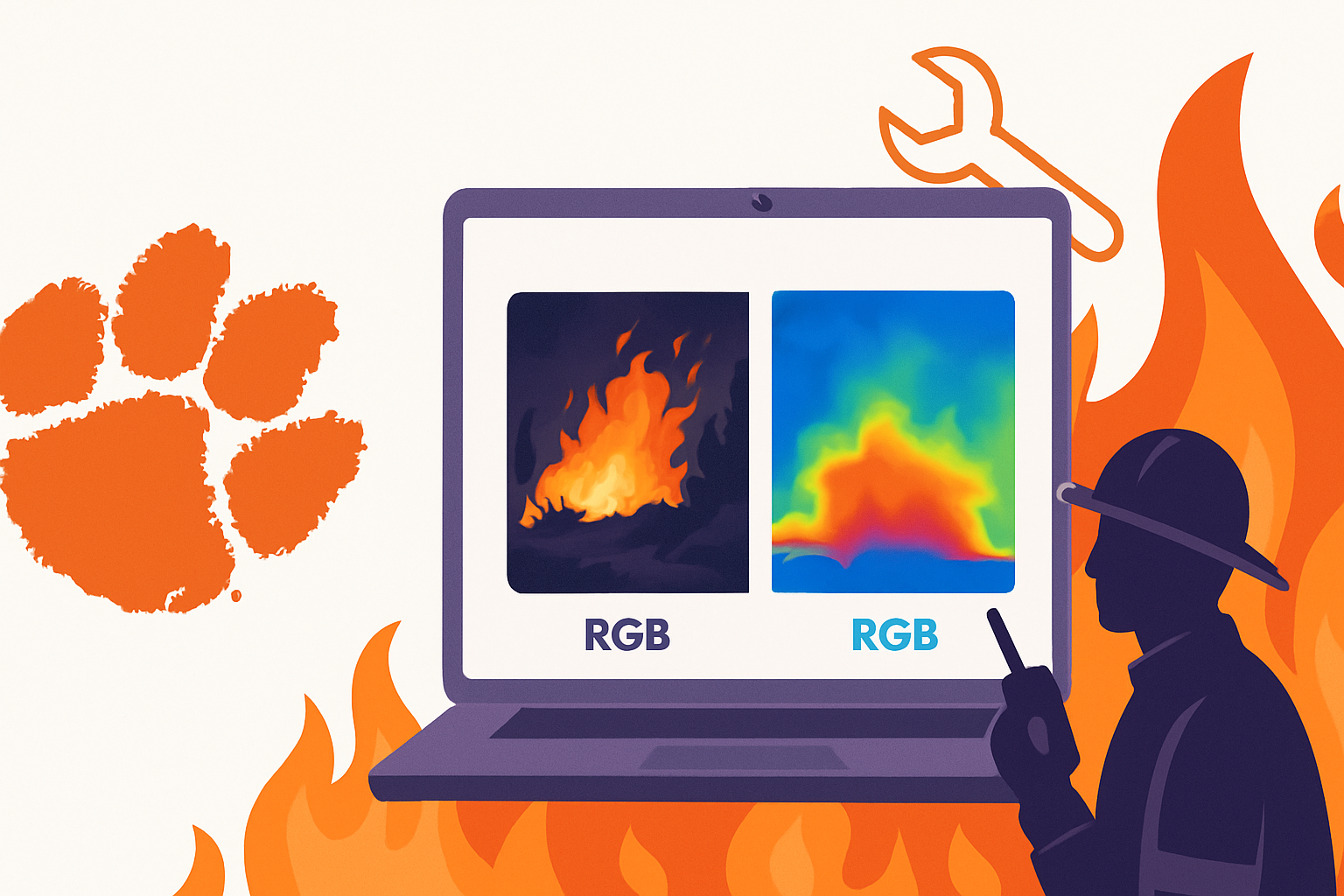
The Clemson tool analyzes RGB images to detect heat intensity and map wildfire hotspots and spread, supplying firefighters with data they can use to predict fire movement and plan responses. It turns red, green, and blue image channels into actionable heat information and delivers updates that support tactical decisions in the field.
AI can make disclosure roundtable discussions faster and more informative by processing large datasets, identifying patterns and visualizing complex information to support timely, accurate disclosures. Realizing those benefits requires clear implementation goals, data protection, and routine checks for bias and model accuracy to address privacy and ethical concerns.
Tazewell County is using artificial intelligence to index, analyze, and retrieve decades of public records so residents and staff can find information faster and with fewer errors. The county aims to streamline access, increase transparency, and speed responses to public inquiries by automating sorting and retrieval tasks.
Match your AI voice to your brand identity, target audience and the interaction context. Test the voice with real users, account for cultural and language differences where relevant, and revise the voice as your brand strategy changes.
AI SEO writers can produce search-optimized content that aligns with user intent and search engine requirements, but they are most effective when used as a starting point and followed by human review and an updated SEO strategy. When combined with editing and strategic oversight, they save time on keyword research and basic optimization while letting content teams focus on creative refinement.