AI is actively reshaping design by generating concepts, automating routine tasks, predicting trends, and personalizing experiences, while human designers remain necessary for emotion and context. This combination speeds iteration and opens new creative possibilities rather than fully replacing designers.
If you have $2,000 to invest and plan to hold for at least a decade, consider allocating it among NVIDIA, Alphabet, and Amazon. These three companies are heavily invested in AI technologies that drive data centers, product features, logistics, and consumer devices, giving long-term exposure to AI development.
Unchecked AI-generated content can introduce factual errors and drift from a brand's tone, which can erode consumer trust. To prevent those harms, brands need formal review controls and human editorial oversight of AI outputs.
Artificial intelligence links sensors, cameras, drones, robotics and IoT with data analytics so poultry operations can monitor birds and environments in real time and make automated, data-driven decisions. That connected system reduces waste, schedules maintenance, and supports earlier detection of health issues to improve productivity and animal welfare.
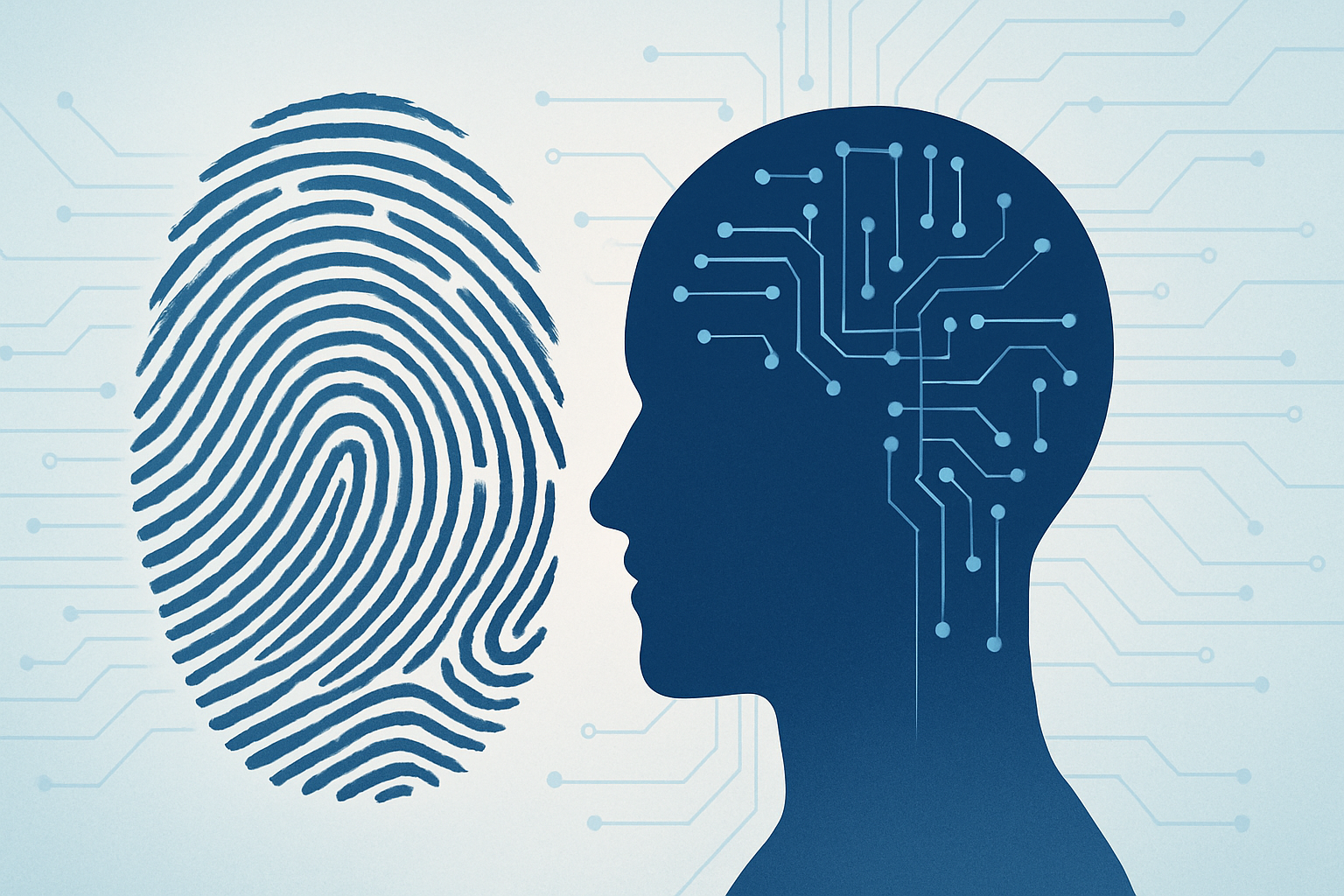
Artificial intelligence analysis shows some fingerprint features repeat across different people, so fingerprint identification is not absolutely unique. This finding requires a re-evaluation of how fingerprint evidence is used in legal settings and in forensic practice.
Seo Taiji said in a Christmas message that he will not return with a new comeback. His choice reflects a focus on preserving his legacy and personal well‑being, and it disappointed many fans while drawing attention across the music industry.
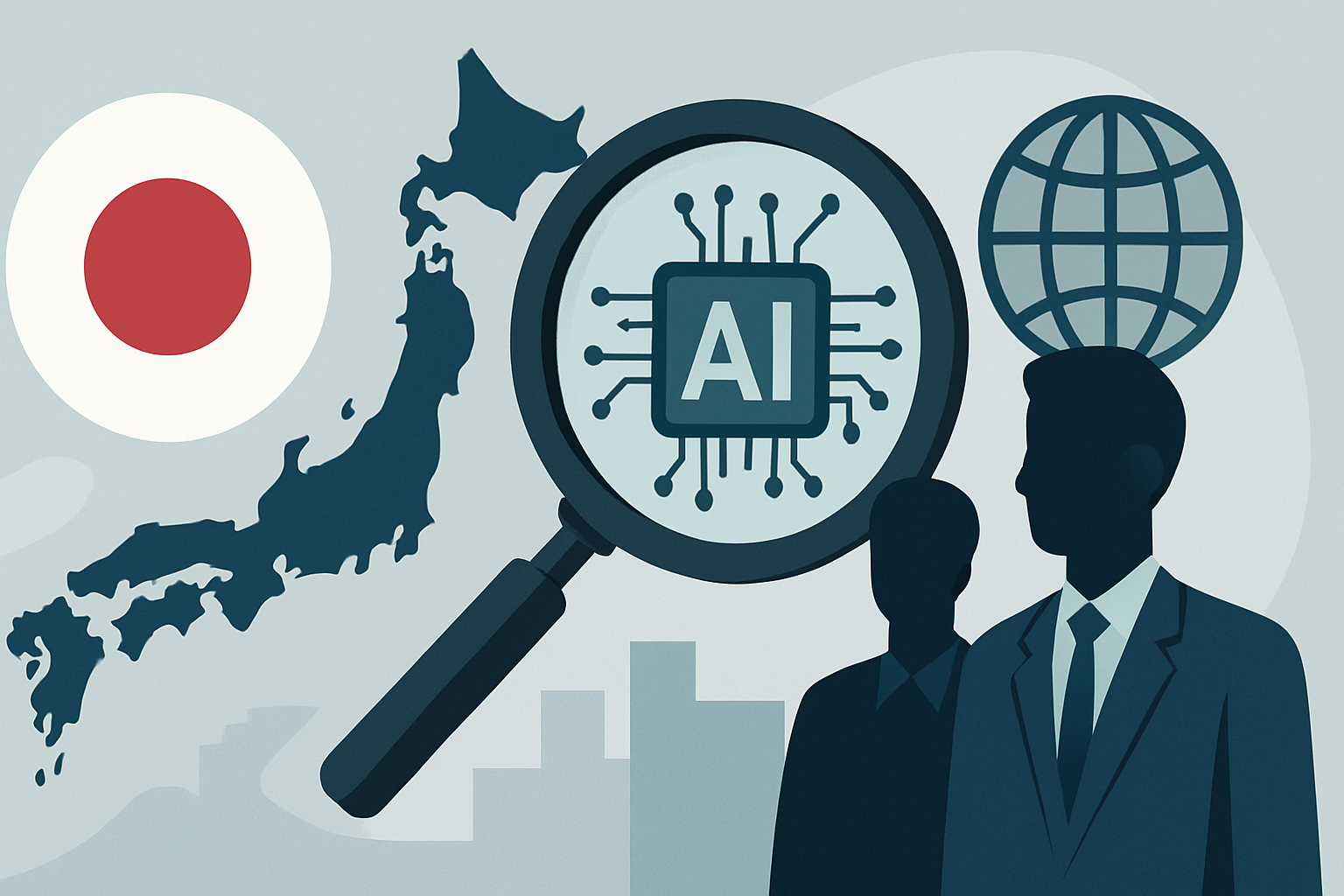
Japan has launched a formal antimonopoly investigation of domestic and foreign IT firms that use AI to determine whether their AI practices create unfair competitive advantages. The probe will focus on possible market manipulation through AI and on the transparency of AI algorithms and decision-making.
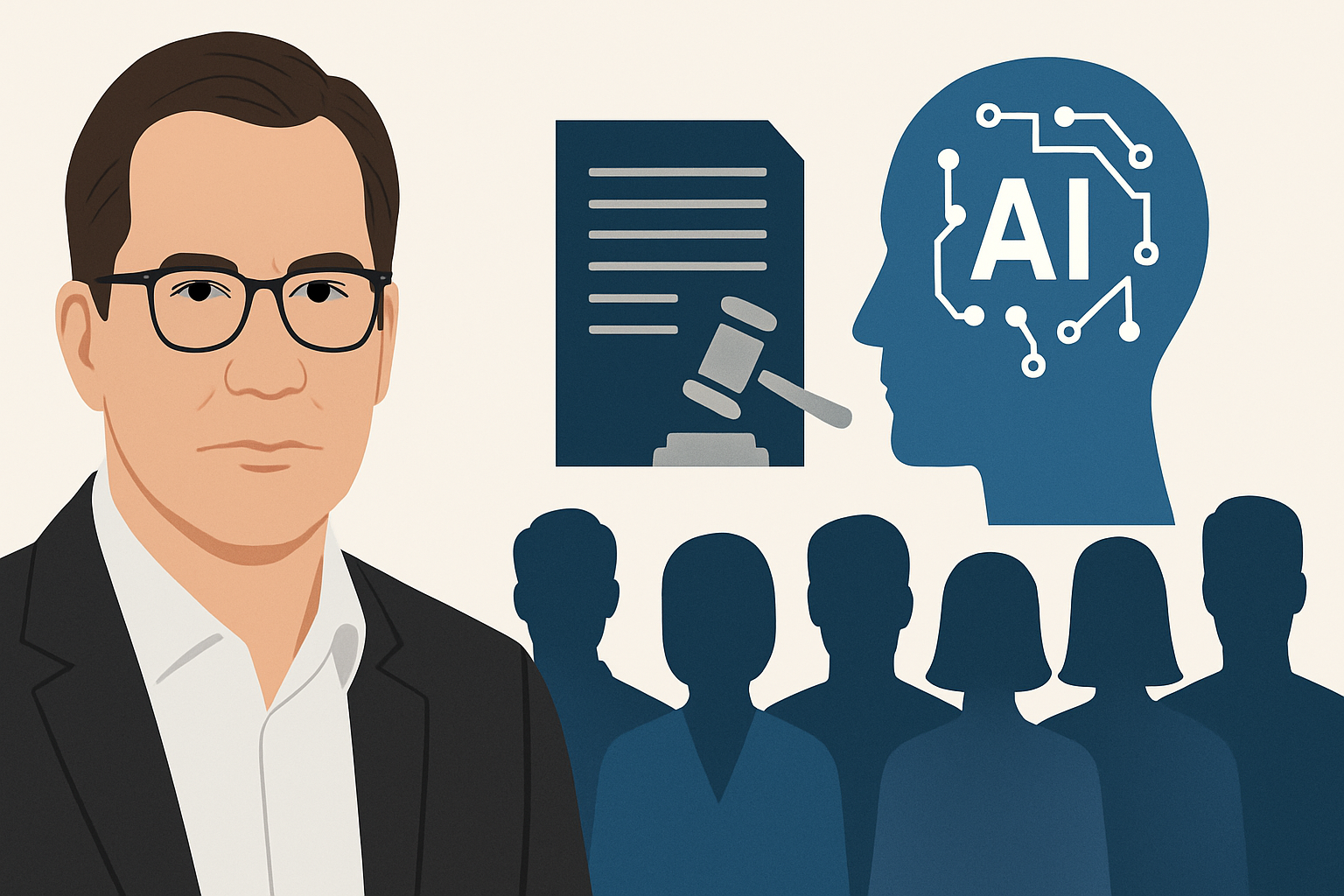
John Carreyrou and other authors have sued six major AI companies, alleging those firms used copyrighted work to train models without permission. The authors seek compensation and clearer legal rules, and a ruling in their favor could force AI companies to change how they acquire and license training data.
Law can both limit and guide scientific progress: regulations may slow or block technologies to protect public safety, privacy, and ethics, while well‑crafted rules give clear boundaries that enable responsible innovation. Balancing those effects requires legal frameworks that evolve with technology and include input from scientists and ethicists.
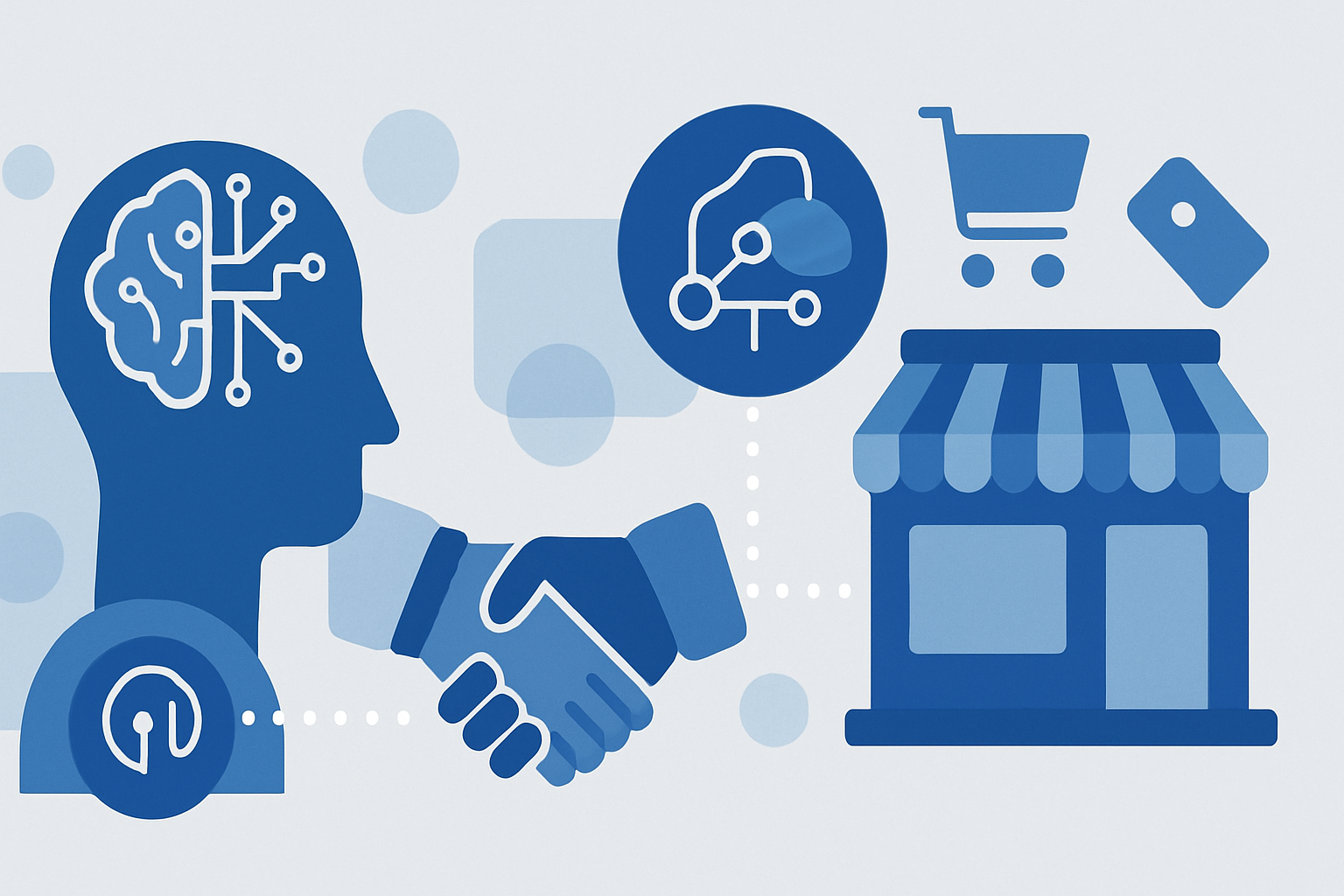
An integrated artificial intelligence internet framework combines AI and IoT to create a connected, real-time retail system that improves personalization, inventory management, and operational efficiency. Implementing it requires strong data security, careful system integration, and upfront investment.
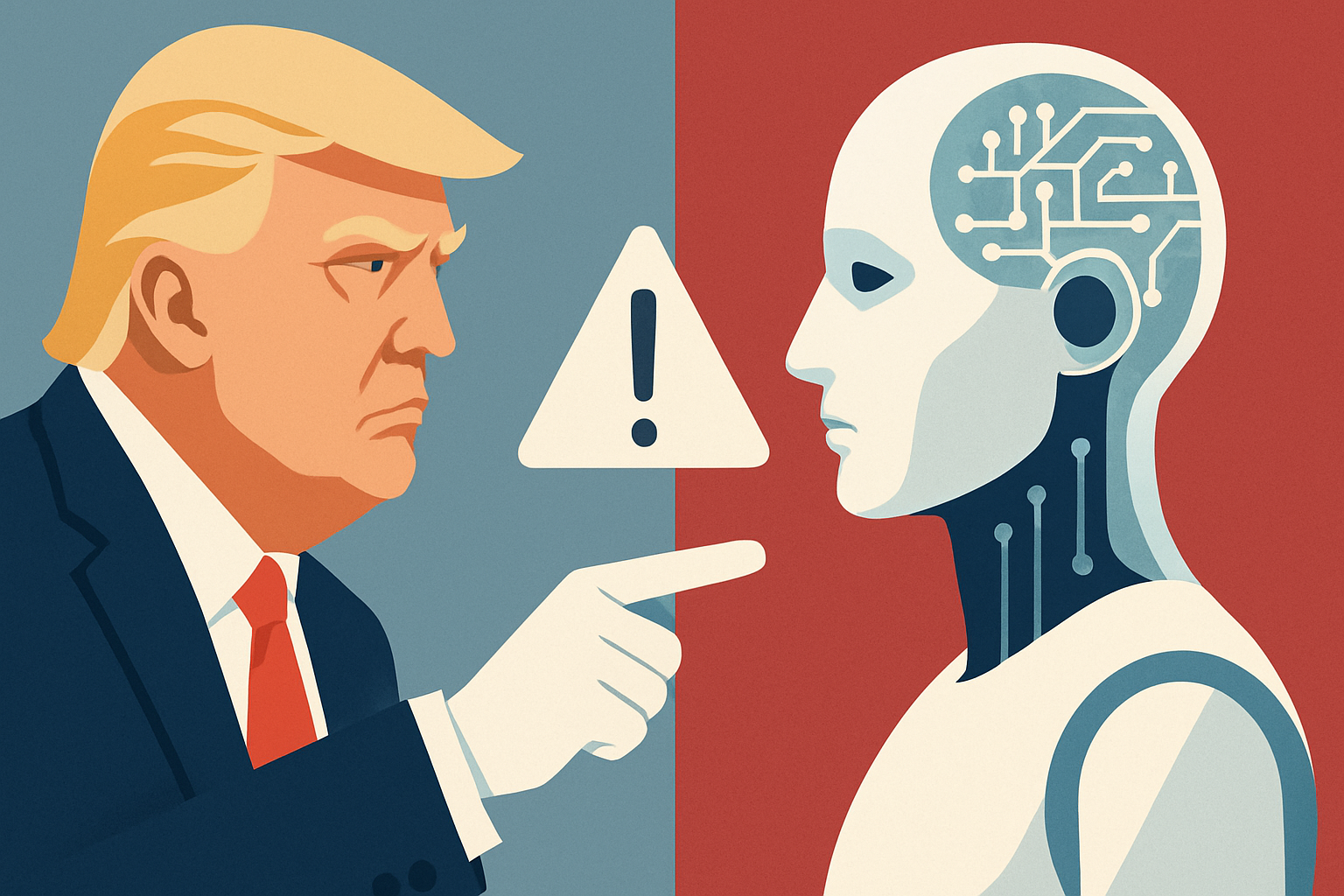
The order aims to speed US AI development but raises privacy, security, and ethical risks that will need new governance, technical controls, and policy coordination to manage. Stakeholders should expect tradeoffs between faster deployment and the potential for biased or unsafe systems without clearer rules.