Maximizing Learning with Synthetic Podcasts for Education
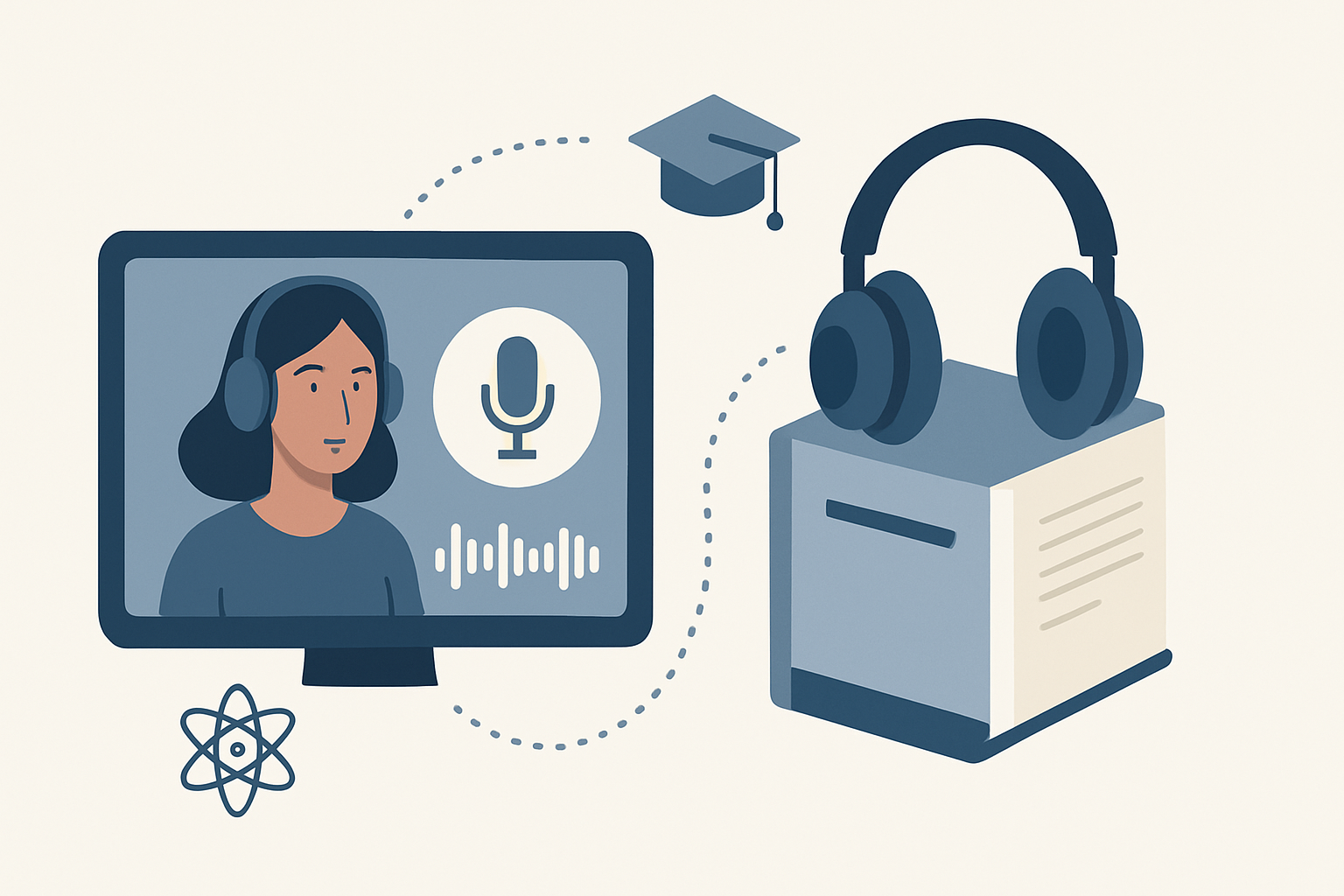
Synthetic podcasts turn written course content into AI-generated, on-demand audio teachers can distribute to support different learning needs. They make it easier to add audio options to lectures, language practice, and online modules while reducing the need to re-record updates.
Key takeaways
- Synthetic podcasts are created with AI text-to-speech rather than human recordings, which makes them flexible and easily customizable.
- They allow quick updates to course material without re-recording, helping keep content current.
- Audio content improves accessibility for students with visual impairments or reading difficulties and increases engagement for auditory learners.
- AI podcast generators use algorithms that mimic human speech to convert text into audio, saving educators time and automating production.
- Recommended practices include aligning podcasts to specific learning objectives, using student feedback to refine episodes, and mixing human elements when possible to avoid over-reliance on synthetic voices.
In the rapidly evolving landscape of education, technology continues to reshape how we learn and teach. One of the most innovative tools emerging is synthetic podcasts for education. These digitally created audio resources offer educators a dynamic way to enhance course content and engage students. By leveraging AI-powered tools, educators can create personalized podcast content that resonates with learners. In this article, we'll explore the potential of synthetic podcasts, delve into practical applications, and provide actionable strategies to implement them in your educational framework.
1. Understanding Synthetic Podcasts for Education
Synthetic podcasts are digitally produced audio files created using AI technology. These podcasts are not recorded by humans but are generated through text-to-speech programs, making them flexible and easily customizable. For educators, this means the ability to produce educational content that is both engaging and scalable.
- Practical point 1: Synthetic podcasts allow for quick updates to course materials without the need for re-recording, ensuring content remains current.
- Practical point 2: They offer accessibility benefits, providing audio content for students with different learning needs or preferences.
- Practical point 3: Real-world application includes using podcasts to supplement traditional lectures, offering students a more flexible learning schedule.
By embedding synthetic podcasts into an educational strategy, teachers can cater to diverse learning styles and enhance the overall learning experience.
2. Benefits of Synthetic Podcasts for Education
The integration of synthetic podcasts for education brings numerous benefits to the table. One significant advantage is the ability to reach a wider audience. As explored in ContentPod's multi-format content strategy, diversifying content formats, including podcasts, helps maximize reach and engagement.
- Improved accessibility: Audio content is invaluable for students with visual impairments or reading difficulties.
- Enhanced engagement: Podcasts can make learning more interactive and enjoyable, especially for auditory learners.
- Cost-effective: Once set up, synthetic podcasts require minimal resources to maintain, making them a cost-effective solution for schools and institutions.
Moreover, synthetic podcasts enable educators to create e-learning podcasts that are tailored to specific courses, enhancing the learning experience by providing students with easy-to-digest auditory content.
3. Creating Educational Content with AI Podcast Generators
AI podcast generators are at the forefront of this educational revolution. These tools allow educators to create customized audio content quickly and efficiently. As discussed in ContentPod's guide on crafting SEO content briefs with AI technology, leveraging AI can significantly enhance content creation processes.
AI podcast generators transform text-based content into engaging audio by using sophisticated algorithms that mimic human speech, offering a seamless listening experience. This automation not only saves time but also ensures that the content can be updated easily, keeping it relevant and accurate.
4. Real-World Examples of Synthetic Podcasts for Education
Several educational institutions have successfully integrated synthetic podcasts into their curricula, demonstrating their potential impact. For instance, a university might use synthetic podcasts to provide lecture recaps, allowing students to review material at their own pace. This approach was highlighted in ContentPod's interview on the future of content marketing, where the adaptability of AI was a key focus.
- Example 1: A high school uses synthetic podcasts to offer language lessons, enabling students to practice listening skills with native-like pronunciation.
- Example 2: An online course platform incorporates podcasts as part of their curriculum, providing students with an alternative to traditional reading materials.
These examples underscore the versatility of synthetic podcasts and their capacity to enhance traditional learning methods.
5. Best Practices for Implementing Synthetic Podcasts in Education
To effectively integrate synthetic podcasts for education, educators should follow a set of best practices. Linking to ContentPod offers insights into optimizing educational strategies with AI technologies.
- Best Practice 1: Start by identifying key learning objectives that can benefit from audio supplementation. This ensures that the podcasts align with course goals.
- Best Practice 2: Use feedback from students to continuously refine podcast content. This iterative approach helps maintain engagement and relevance.
- Best Practice 3: Avoid common pitfalls such as over-reliance on synthetic voices. Incorporate human elements when possible to maintain a personal connection.
By adhering to these practices, educators can maximize the impact of synthetic podcasts on their students' learning experiences.
6. Overcoming Challenges with Synthetic Podcasts for Education
While synthetic podcasts offer numerous benefits, they also present certain challenges. Key obstacles include ensuring the quality of AI-generated voices and maintaining engagement levels. However, these challenges can be mitigated by staying informed about technological advancements and utilizing resources such as SEMrush for the latest AI developments.
Educators should also focus on integrating synthetic podcasts into a broader, multi-format content strategy, ensuring that they complement other learning materials rather than replace them.
Conclusion: Making the Most of Synthetic Podcasts for Education
Synthetic podcasts represent a powerful tool in the educator's arsenal, offering a flexible and engaging way to deliver course content. By understanding and leveraging this technology, educators can enhance their teaching methods and provide students with diverse learning opportunities. ContentPod can serve as a valuable resource for educators looking to explore the full potential of AI in education. Embracing synthetic podcasts for education can ultimately lead to more dynamic and inclusive learning environments.
Frequently Asked Questions
What is synthetic podcasts for education?
Synthetic podcasts for education are AI-generated audio files used to deliver educational content. They are created using text-to-speech technology, allowing for quick updates and personalized content delivery.
How can educators benefit from synthetic podcasts for education?
Educators can use synthetic podcasts to enhance course engagement, cater to different learning styles, and provide flexible learning options. They are particularly useful for auditory learners and can supplement traditional teaching methods.
What tools are needed to create synthetic podcasts for education?
To create synthetic podcasts, educators need access to AI podcast generators or text-to-speech software. These tools convert written content into audio, making it easy to produce and update educational podcasts.
References & Further Reading
- Beginner's Guide to SEO - moz.com
- Marketing Statistics 2025 - hubspot.com
- AI Content Generation: What You Need to Know - semrush.com
- Achieving 10x Content Velocity: The AI-Powered Content Strategy - contentpod.co
Put this into practice
Share this post
You Might Also Like
Discover more content tailored to your interests
 Highly Relevant
Best AI Podcast Generator Like NotebookLM Picks
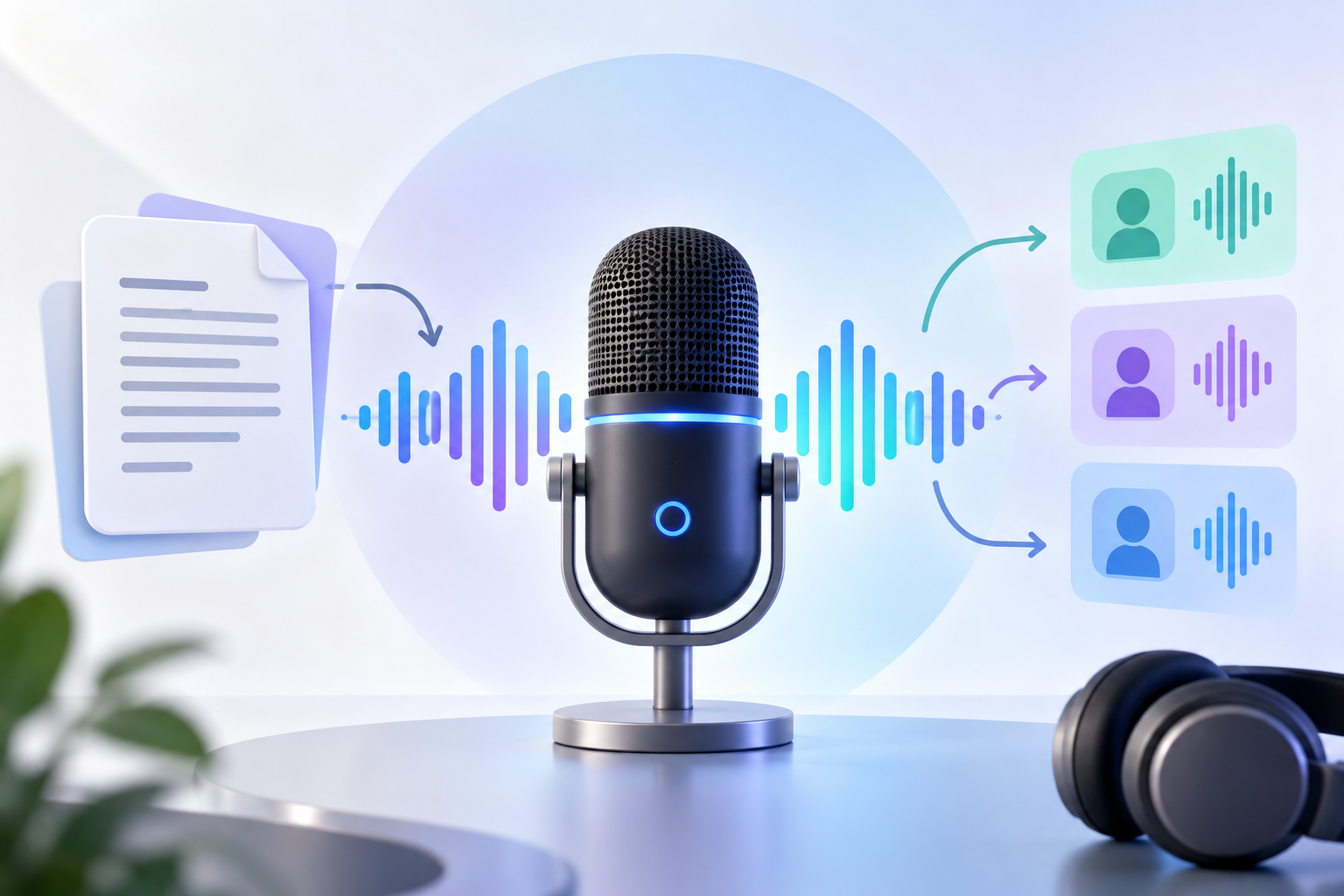
An ai podcast generator like notebooklm is a tool that turns source material or a script into spoken audio, often with AI voices, conversational structure, and editing support.
Read More Highly Relevant
A Playbook for Interview-Based Content Marketing Teams
Record focused conversations with people who have direct experience, transcribe them, and turn the transcript into publishable assets. A simple, repeatable process for sourcing, questioning, recording, and repurposing interviews is the fastest way for teams to get specific, usable content without asking experts to write full drafts.
Read More Highly Relevant
Interview-Based Content Marketing SaaS Templates Guide
Use short, structured interviews with experts, customers, founders, or partners to capture real expertise and turn a 20–30 minute conversation into multiple publishable assets that are faster to produce, more credible, and more useful for search and buyers than generic brand copy. This guide explains when to use interviews, who to interview, how to prepare a focused brief and recording workflow, and how to turn one conversation into blog posts, case studies, newsletters, social posts, and sales snippets.
Read MoreReady to create amazing podcast content?
Choose a plan and start generating professional podcast content with AI
View Pricing Plans